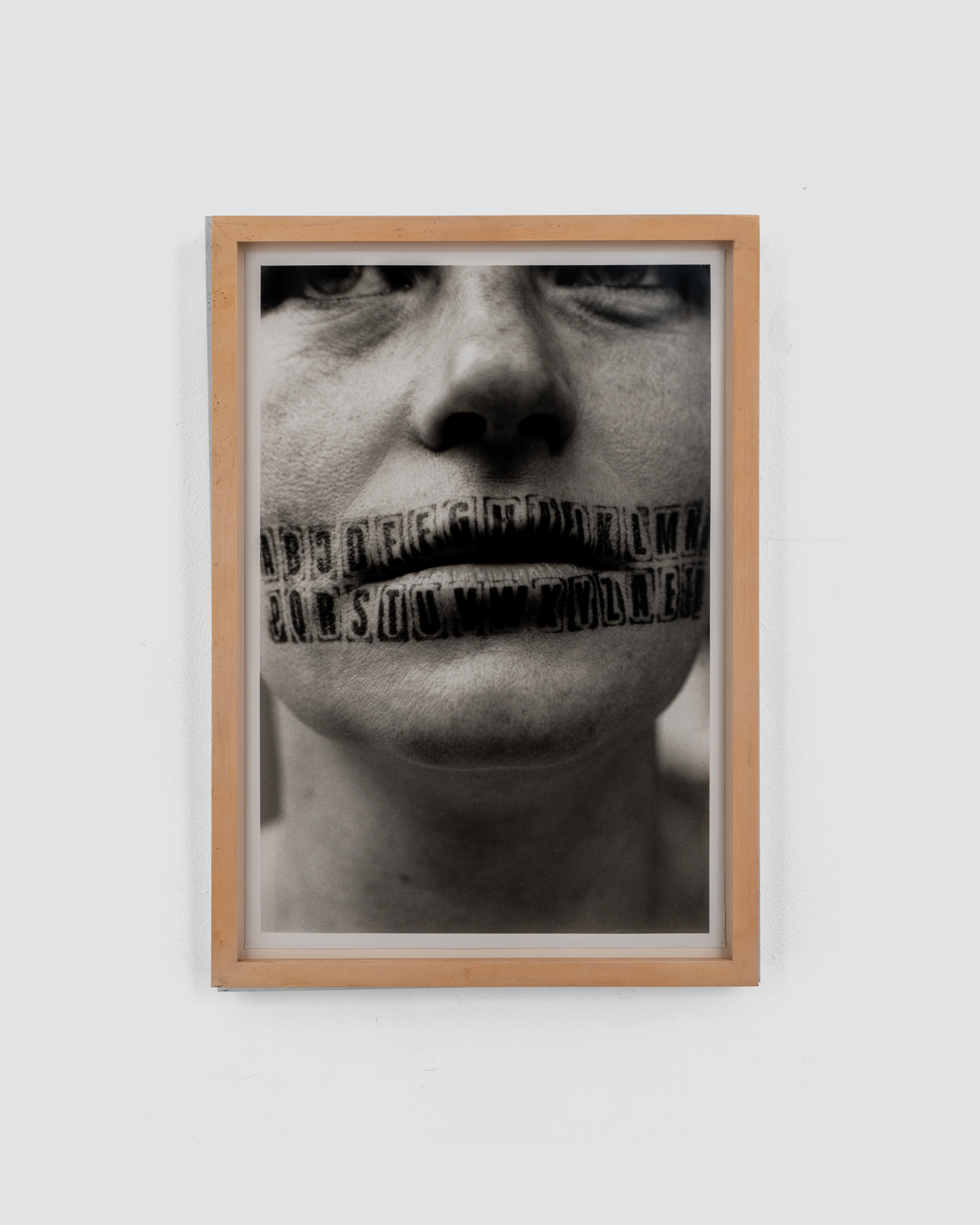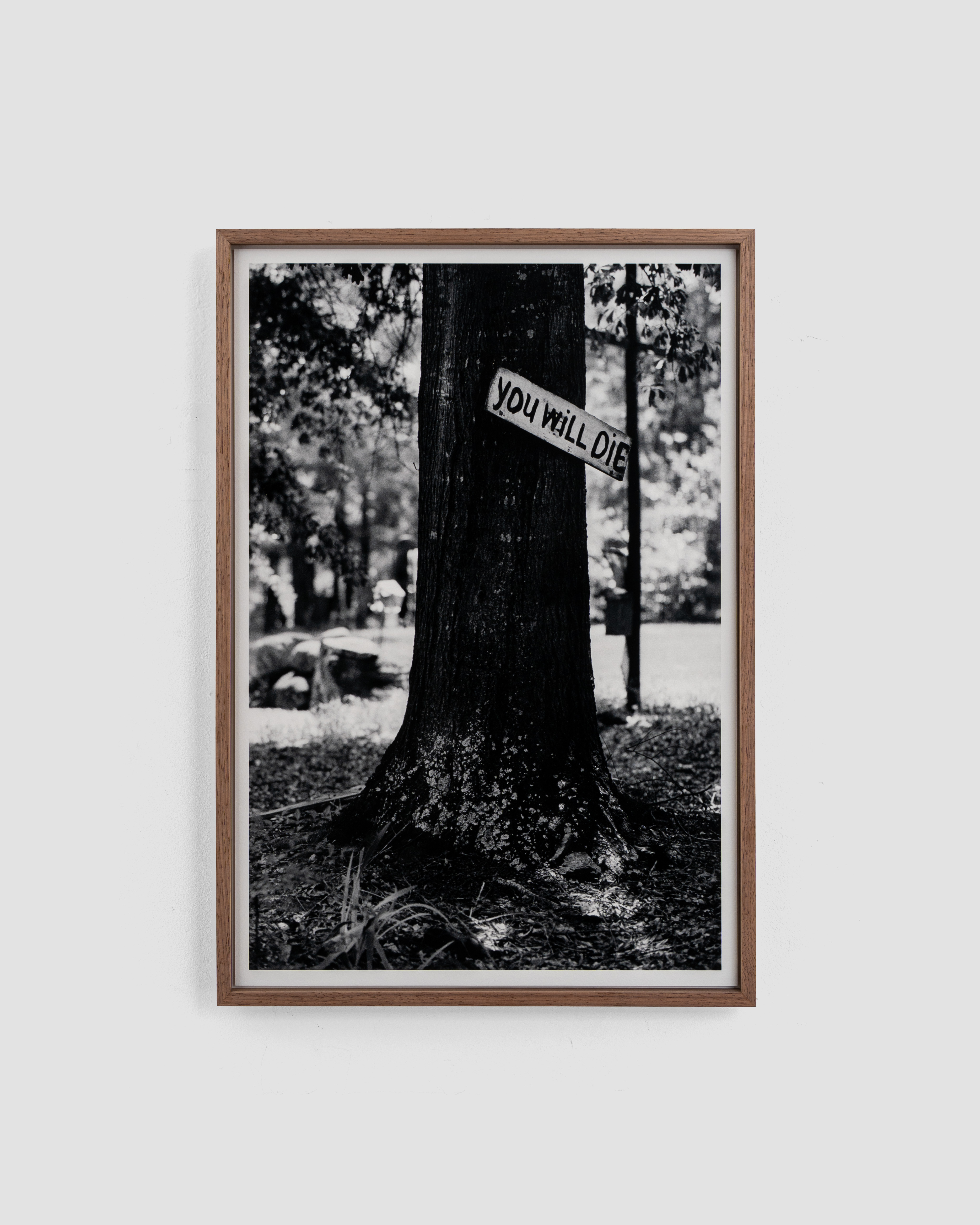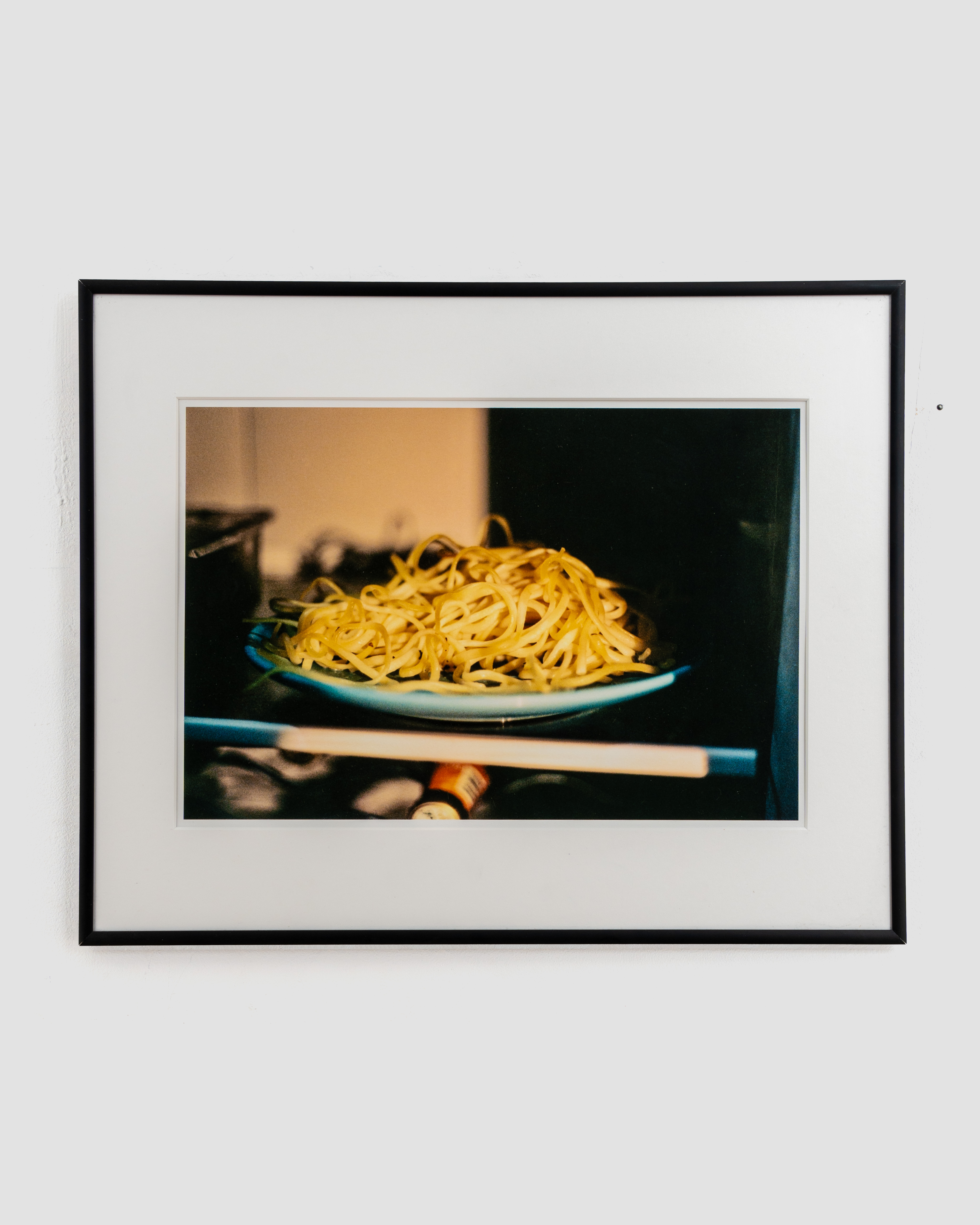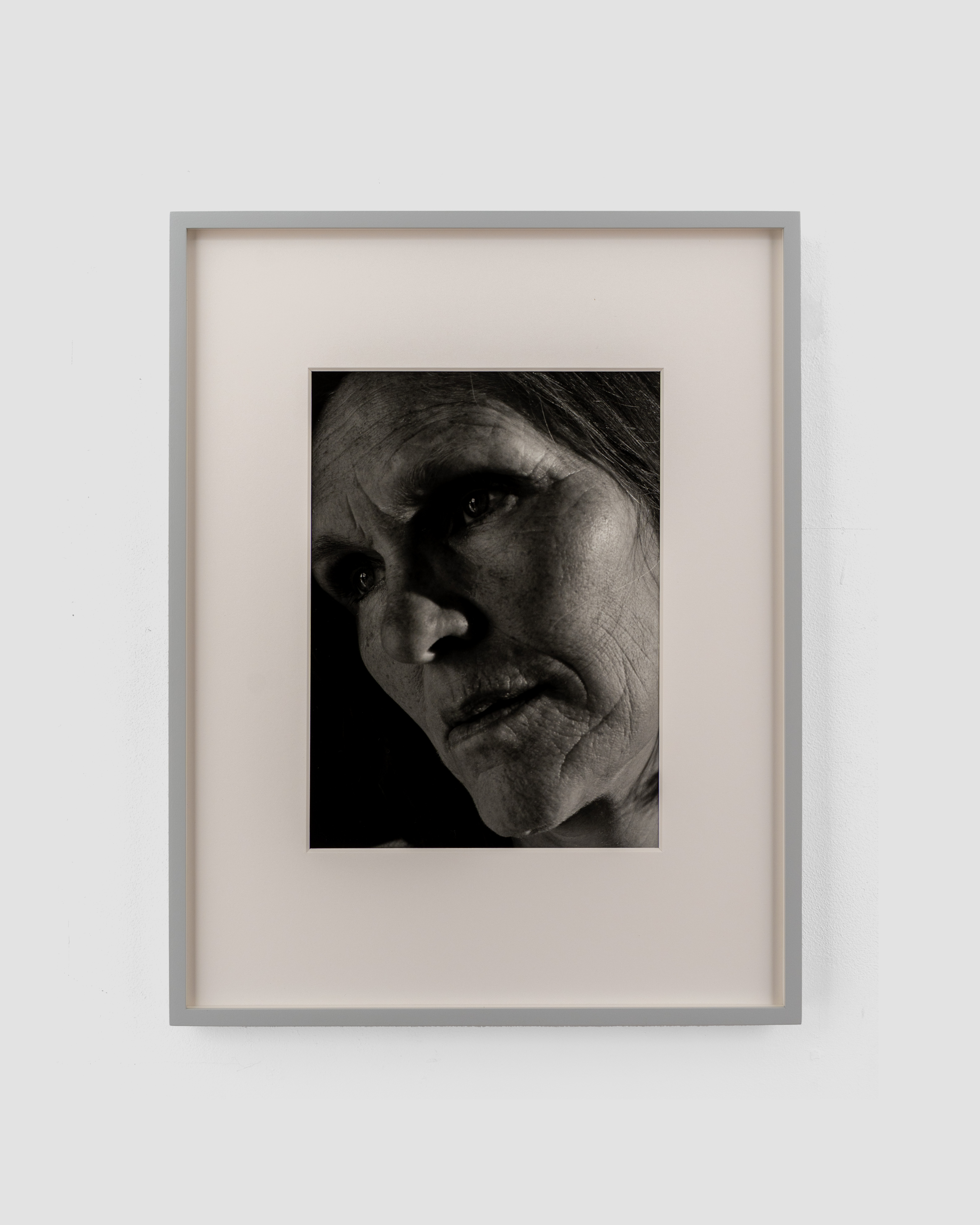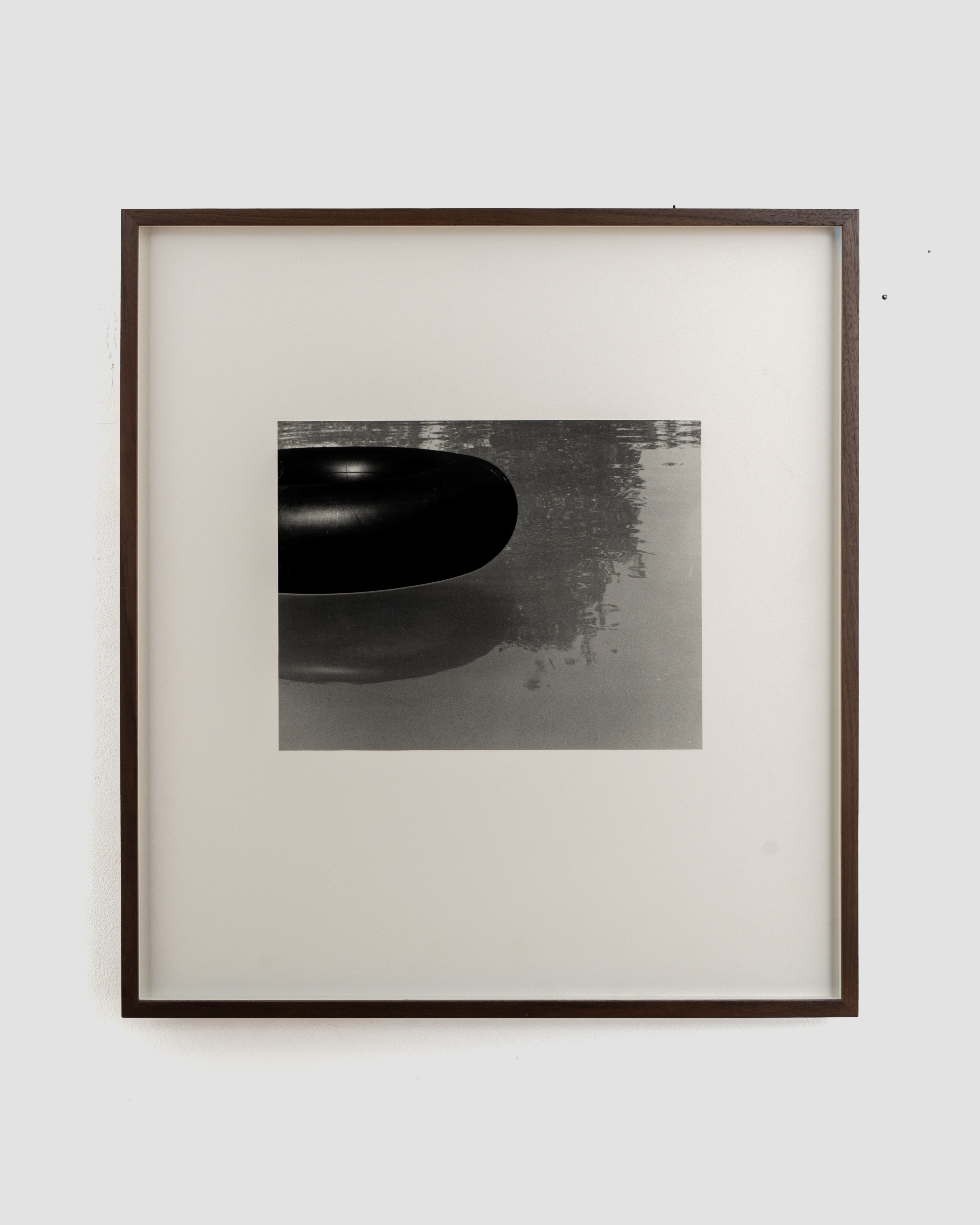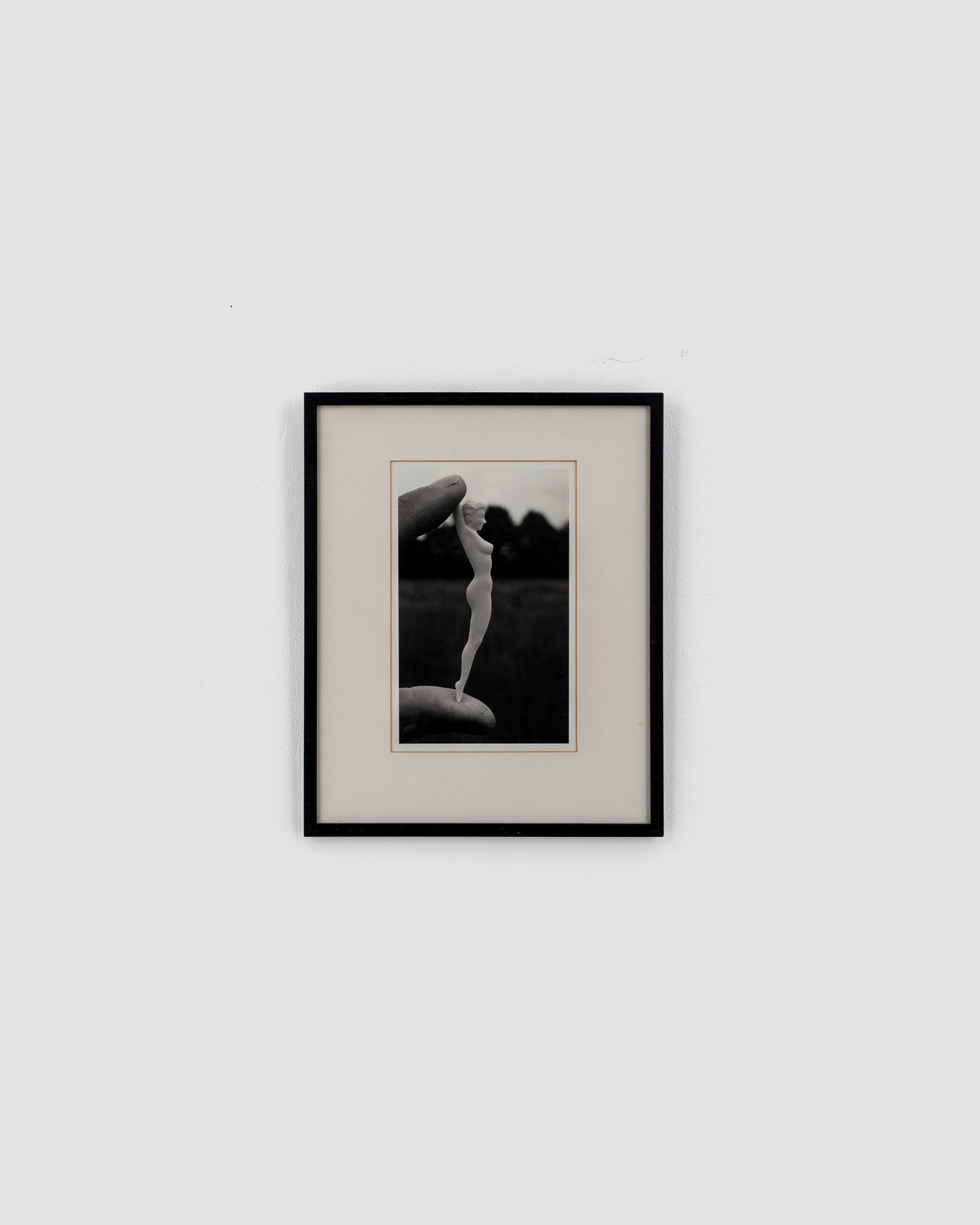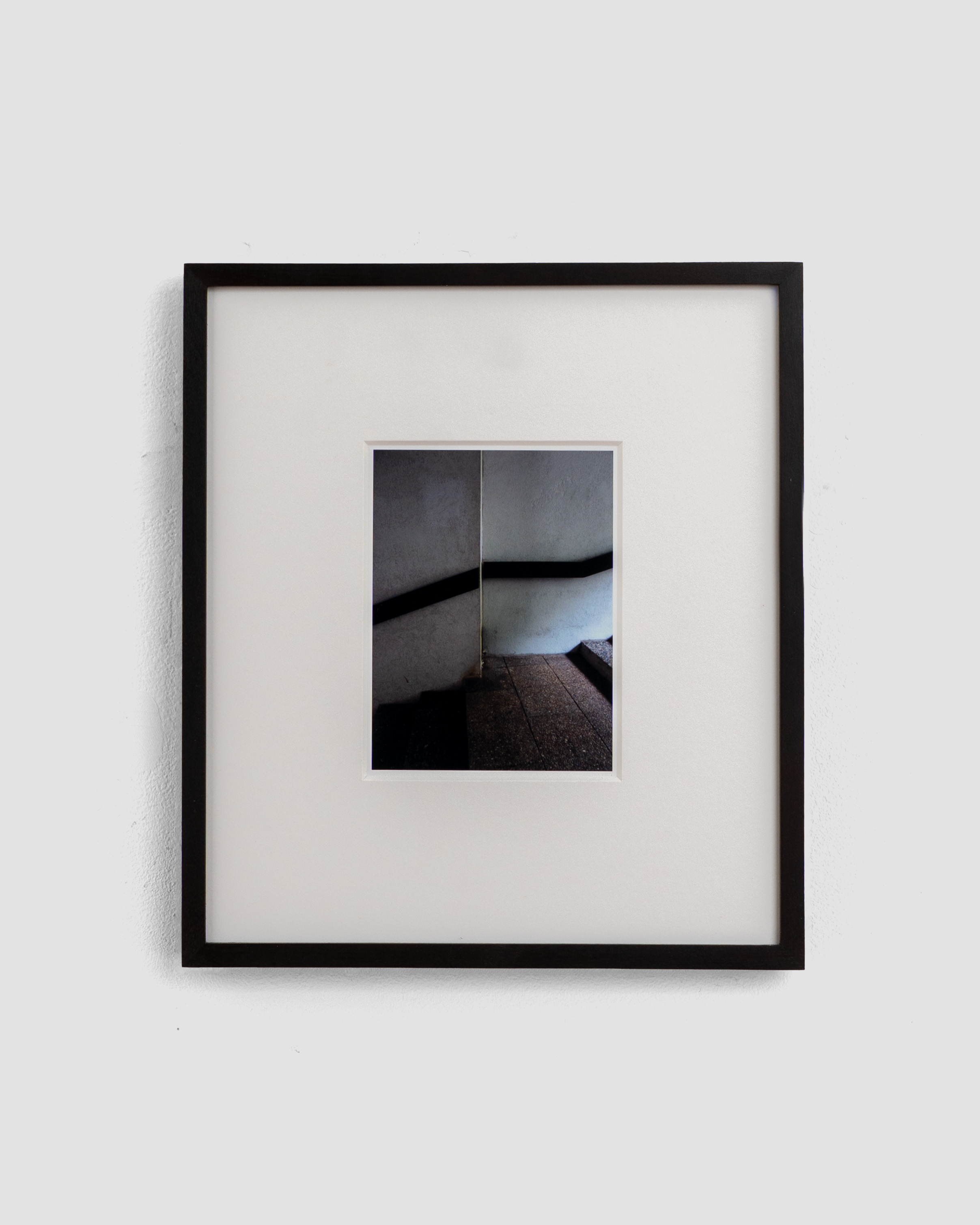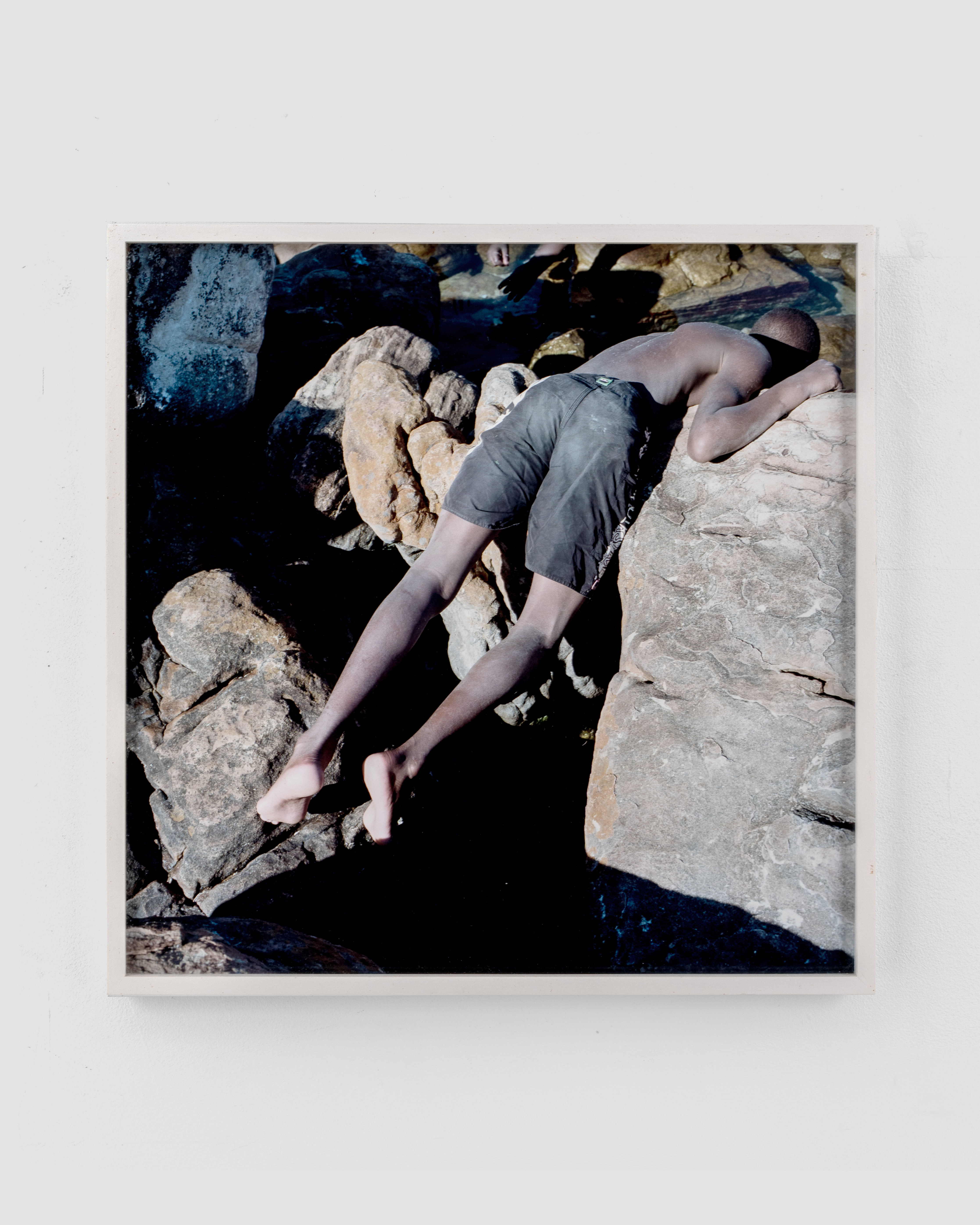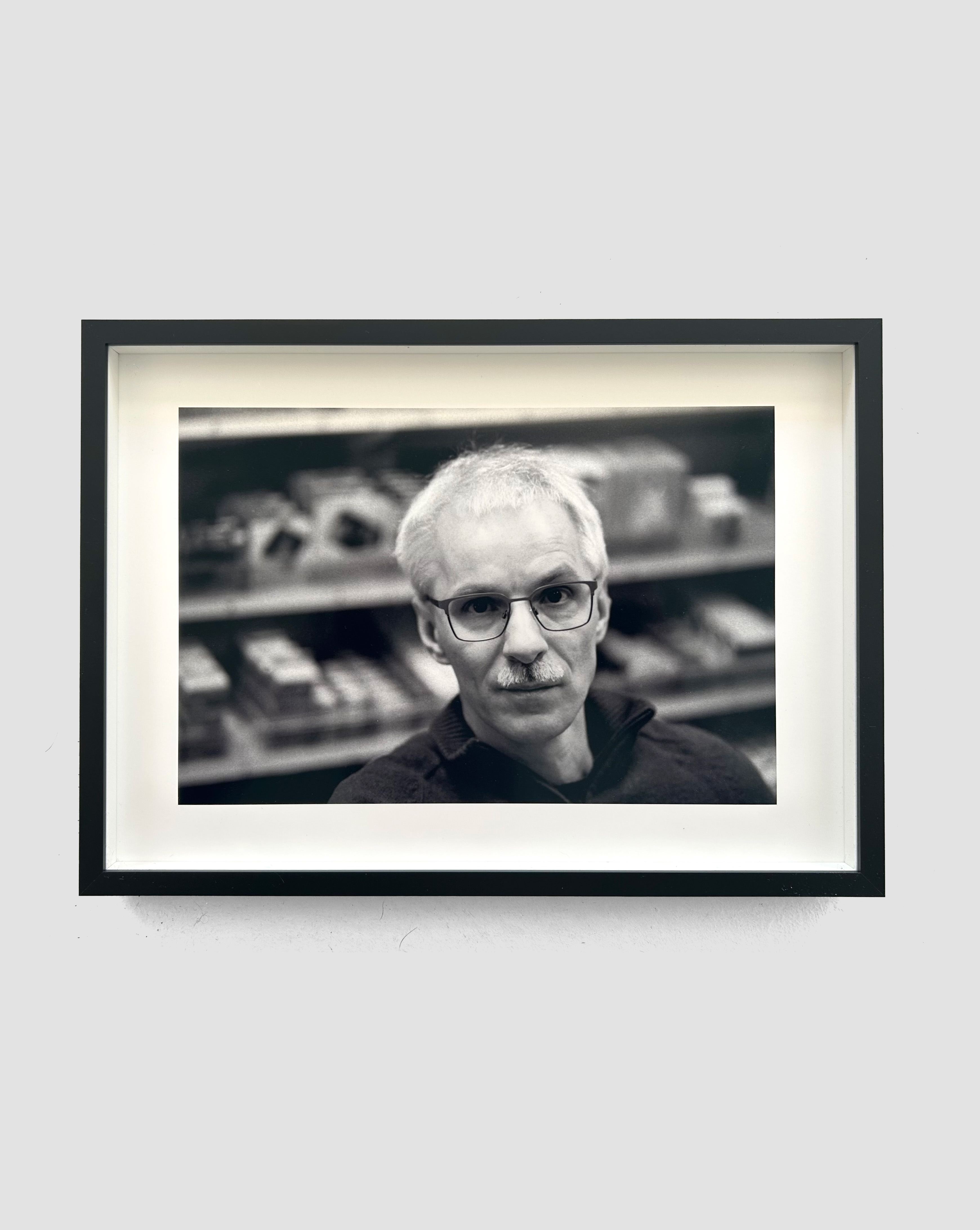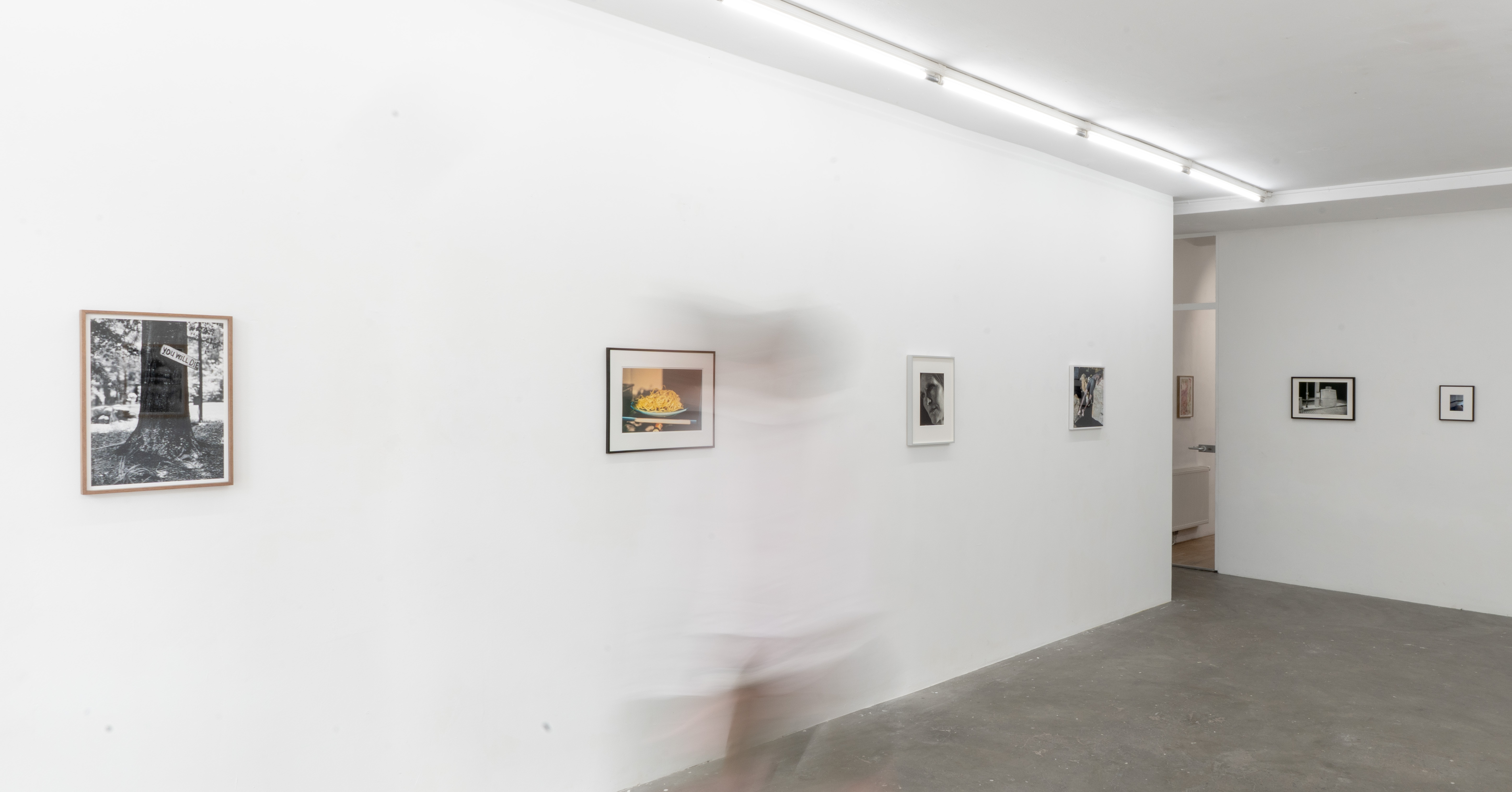
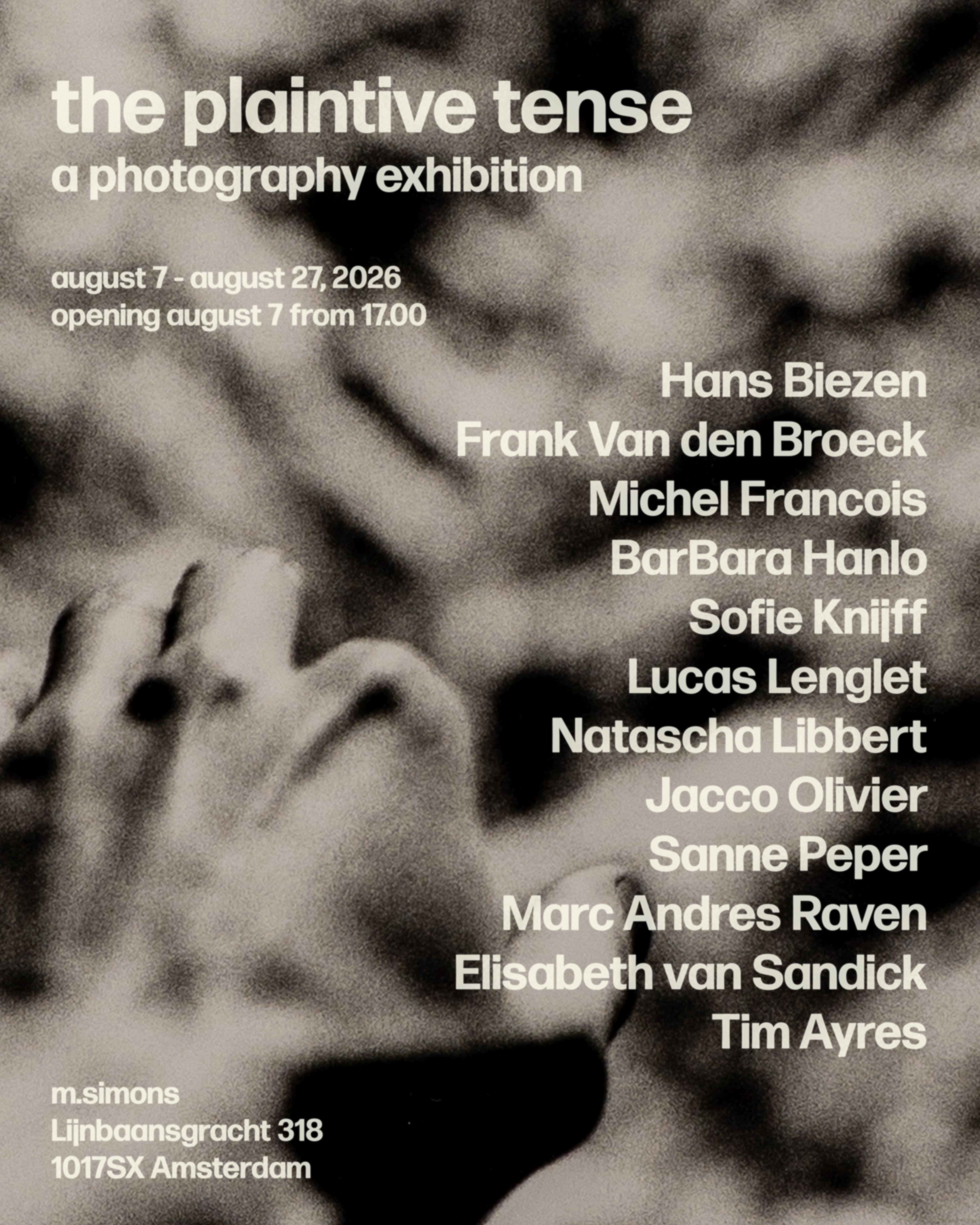
m.simons is proud to present The Plaintive Tense, the first exhibition in the gallery devoted entirely to the photographic medium. Bringing together works by twelve artists, the exhibition has been curated by Tim Ayres, who invited both artists represented by the gallery and artists from his own extended circle. Together, the works explore photography’s unique relationship to time, memory, distance and emotion.
The exhibition is titled The Plaintive Tense, a sentence once used in a 1990’s drawing by Tim Ayres. The word plaintive, a close cousin to the words melancholia and sorrow, describes a sensation of sadness or loss; a tone of voice, gesture or image that carries a sense of longing or grief. The addition of tense introduces a potential grammatical structure, that suggests a new temporal category alongside the past, present and future. It proposes a state of time within language in which the realms of melanchola becomes a form of temporality and a syntax; a moment suspended between what has disappeared and what has not yet arrived.
Throughout Western history, melancholy has occupied an ambiguous position. Until the Renaissance, it was largely regarded as an affliction, associated with an imbalance of the body’s humours and understood as a condition of illness or even spiritual danger. It was through the humanist thinker Marsilio Ficino in the fifteenth century that melancholy began to acquire a different meaning: not as a defect, but as a source of exceptional insight, creativity and intellectual depth. The tradition that emerged from Ficino’s writings shaped the cultural image of the melancholic artist, a figure later embodied by artists such as Albrecht Dürer and Vincent van Gogh, by Romantic writers in Germany and Great Britain, and by Charles Baudelaire’s reflections on modern life. This is to say that an element of ‘glow’ is at the heart of plaintiveness and melancholia, that provides a guide and a light out of its percieved gloom; a place to experience before despair and nihilism prevail.
In our contemporary moment, melancholy and sadness seem increasingly difficult to access and accept. According to the German philosopher Byung-Chul Han, this is closely connected to the way contemporary society has transformed our relationship with time itself. In The Scent of Time, Han describes a world defined by acceleration, productivity and the constant demand for renewal. Time has lost its rhythm, continuity and depth, becoming instead a sequence of isolated moments that are immediately replaced by what follows, or consumed.
The present has become increasingly fragmented, leaving little room for contemplation, memory or duration. Experiences are expected to be processed quickly, emotions to be overcome, and moments to be transformed into something productive. Within such a culture, melancholy risks being understood as something negative — an obstacle to happiness, efficiency or progress.
The exhibition The plaintive tense challenges this currrent state. Melancholy, lamentation and sadness are not merely moods to escape from: they are signs of a deeper relationship with time. They reveal our connection to what is absent, unfinished or impossible to replace. To experience melancholy is to acknowledge that certain things cannot be accelerated, resolved or consumed. It is an awareness of the passing of time and of the traces that remain within it. In TS Eliot this is the tenent of mixing memory and desire, in Joni Mitchell, put more simply, “there is comfort in melancholy”. One may argue that a photograph is a form of grammar in and of itself; it is a language that simultaneously embraces presence and absence: holding time, as it does, it is inherently always in a past tense. In this exhibition that grammatical place is shown as an emotional possibilty and an illucidation of the glow that illuminates the dark.