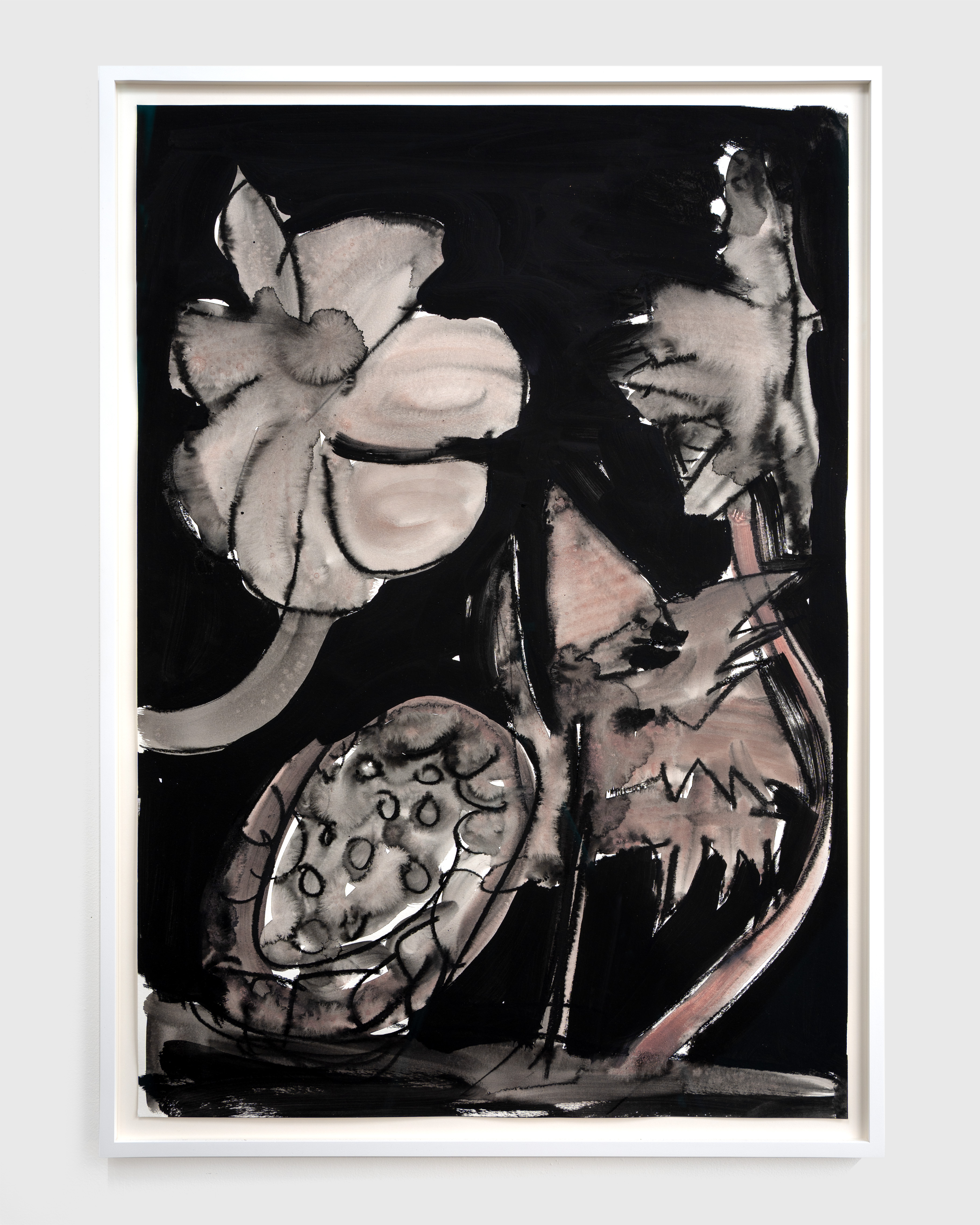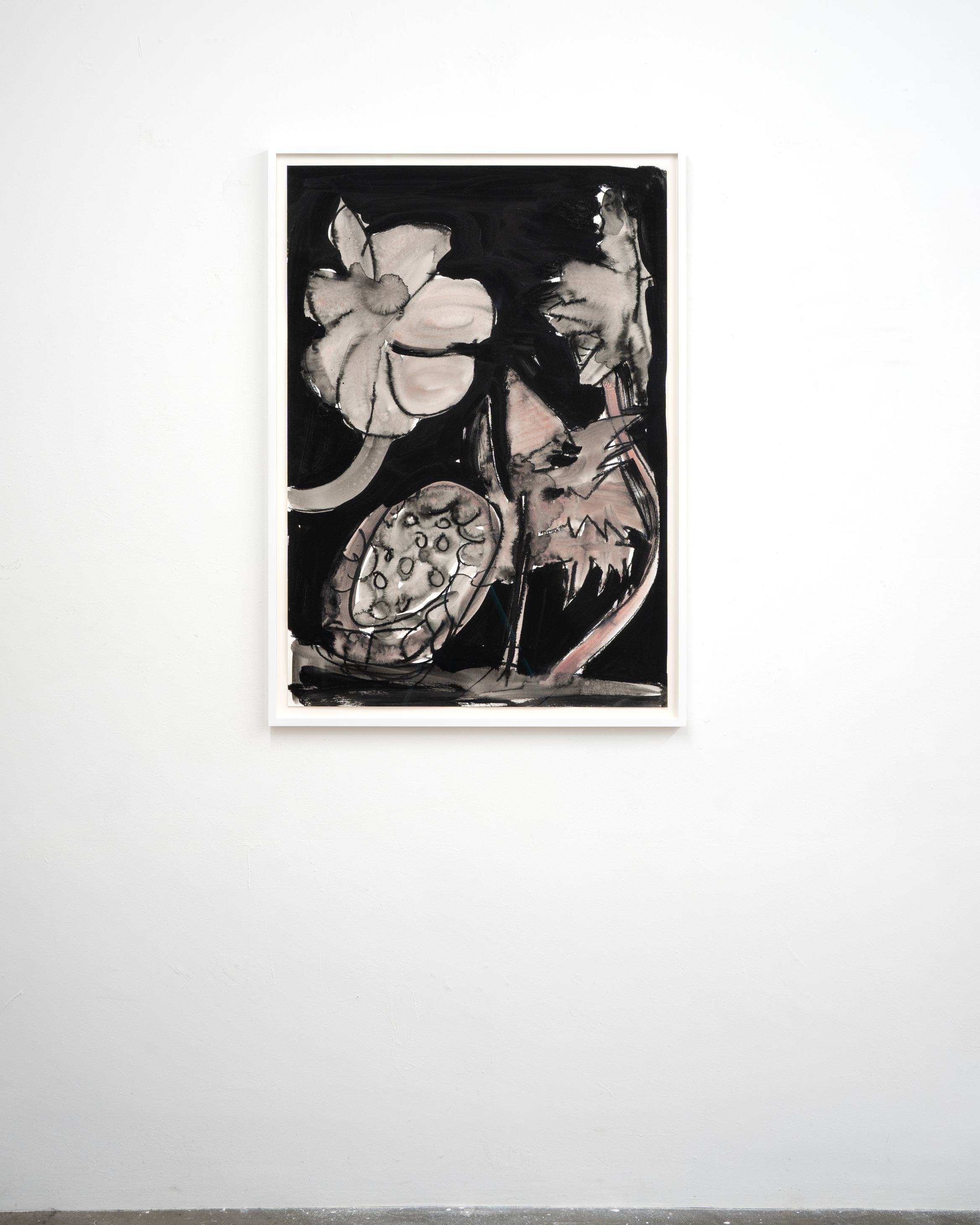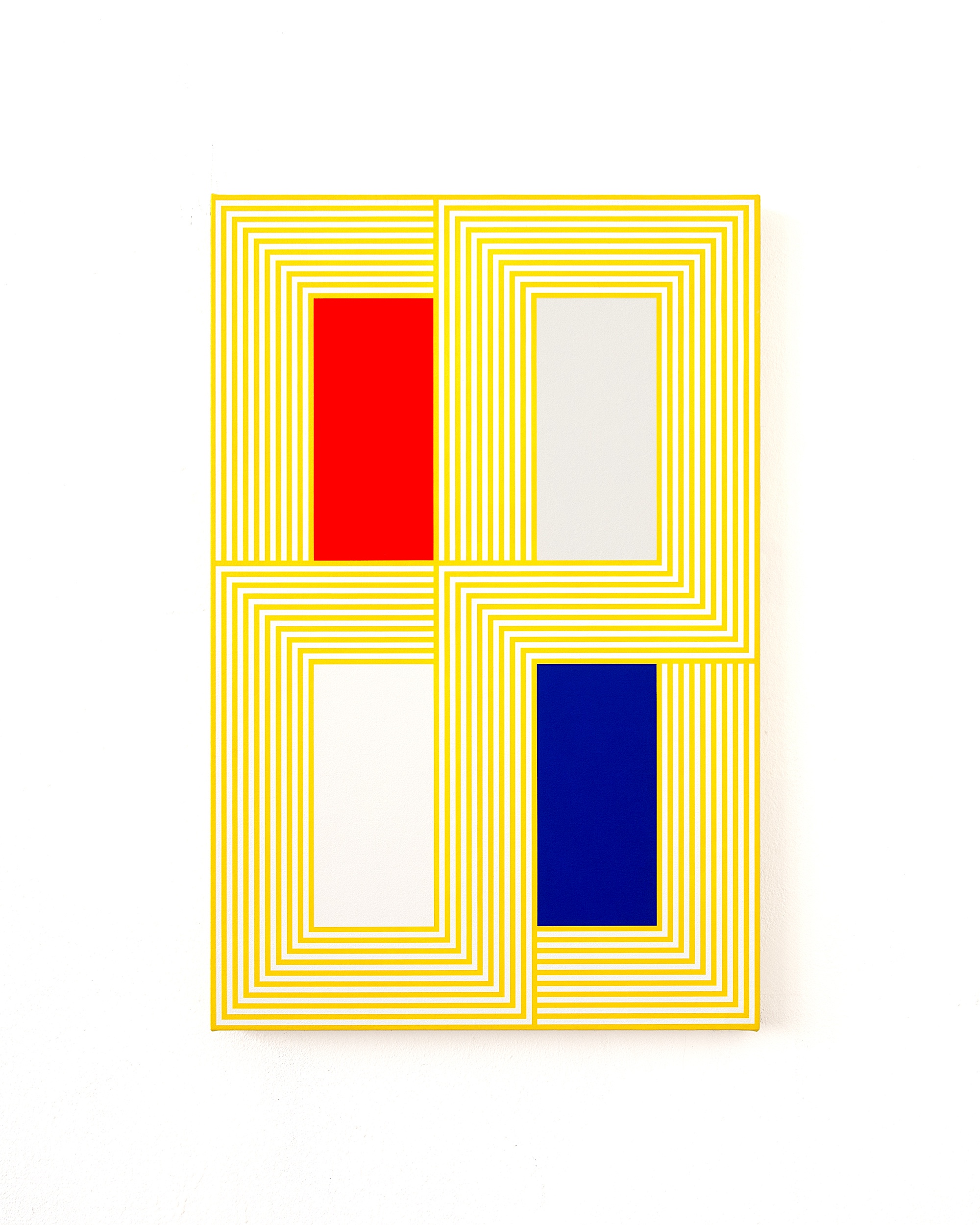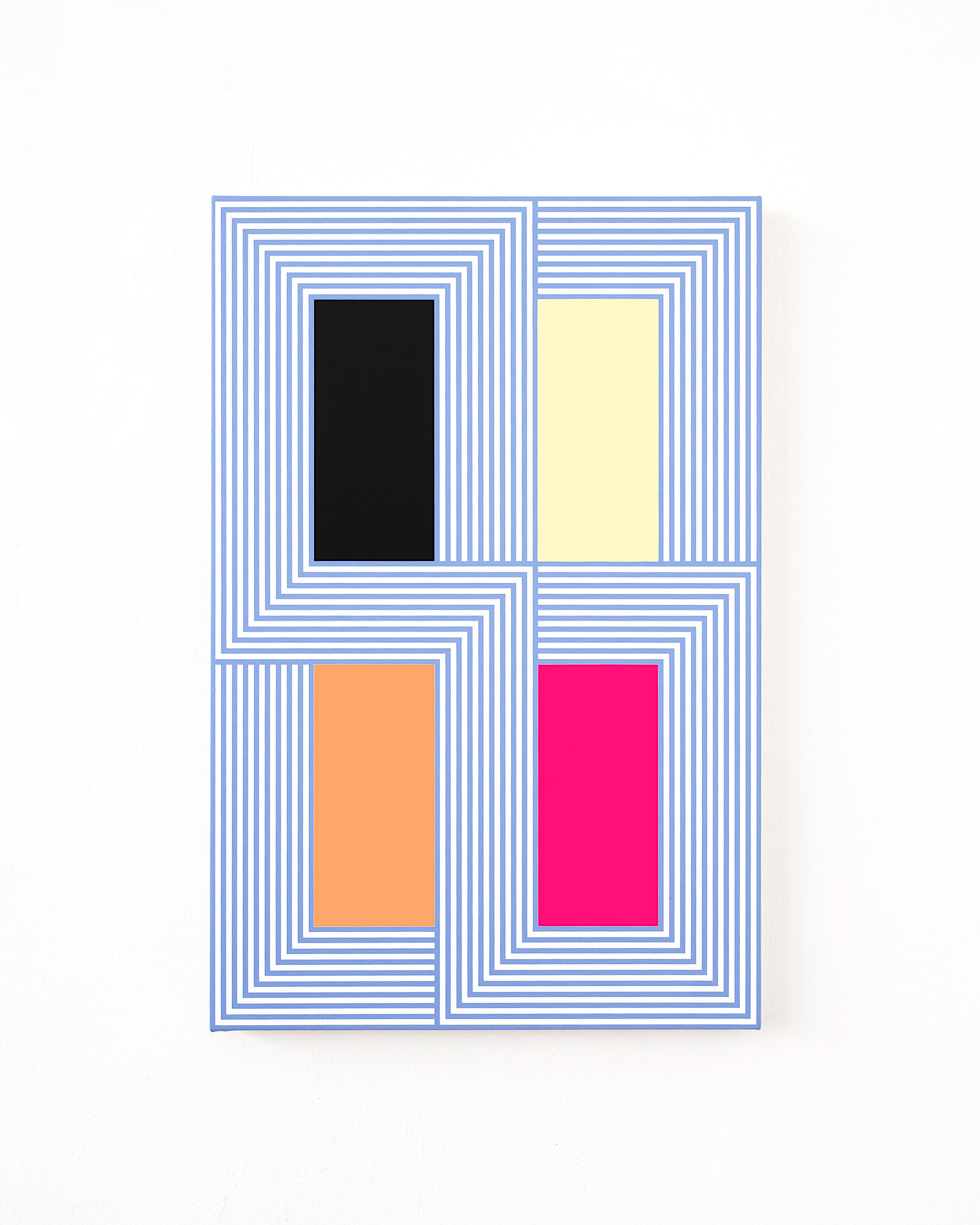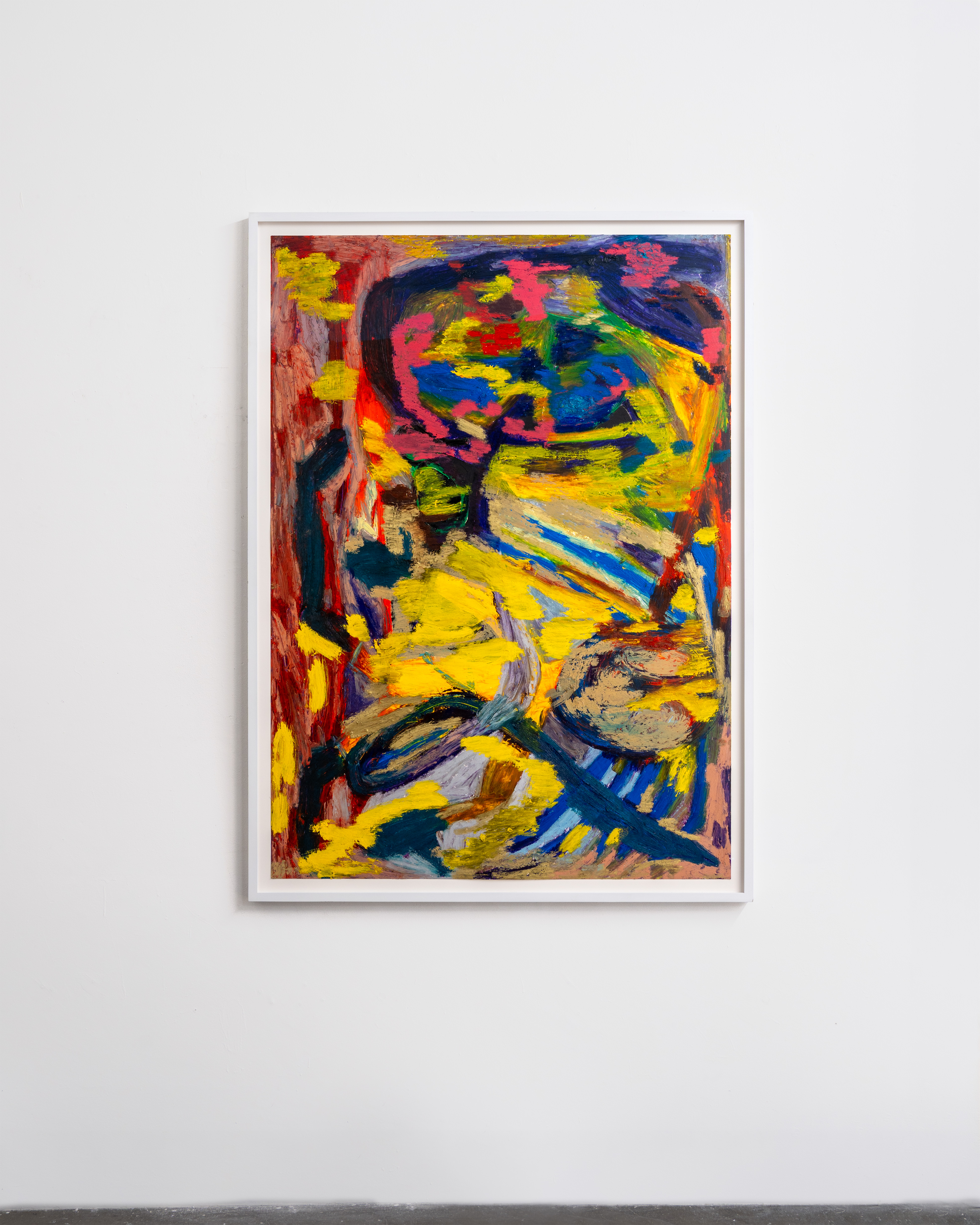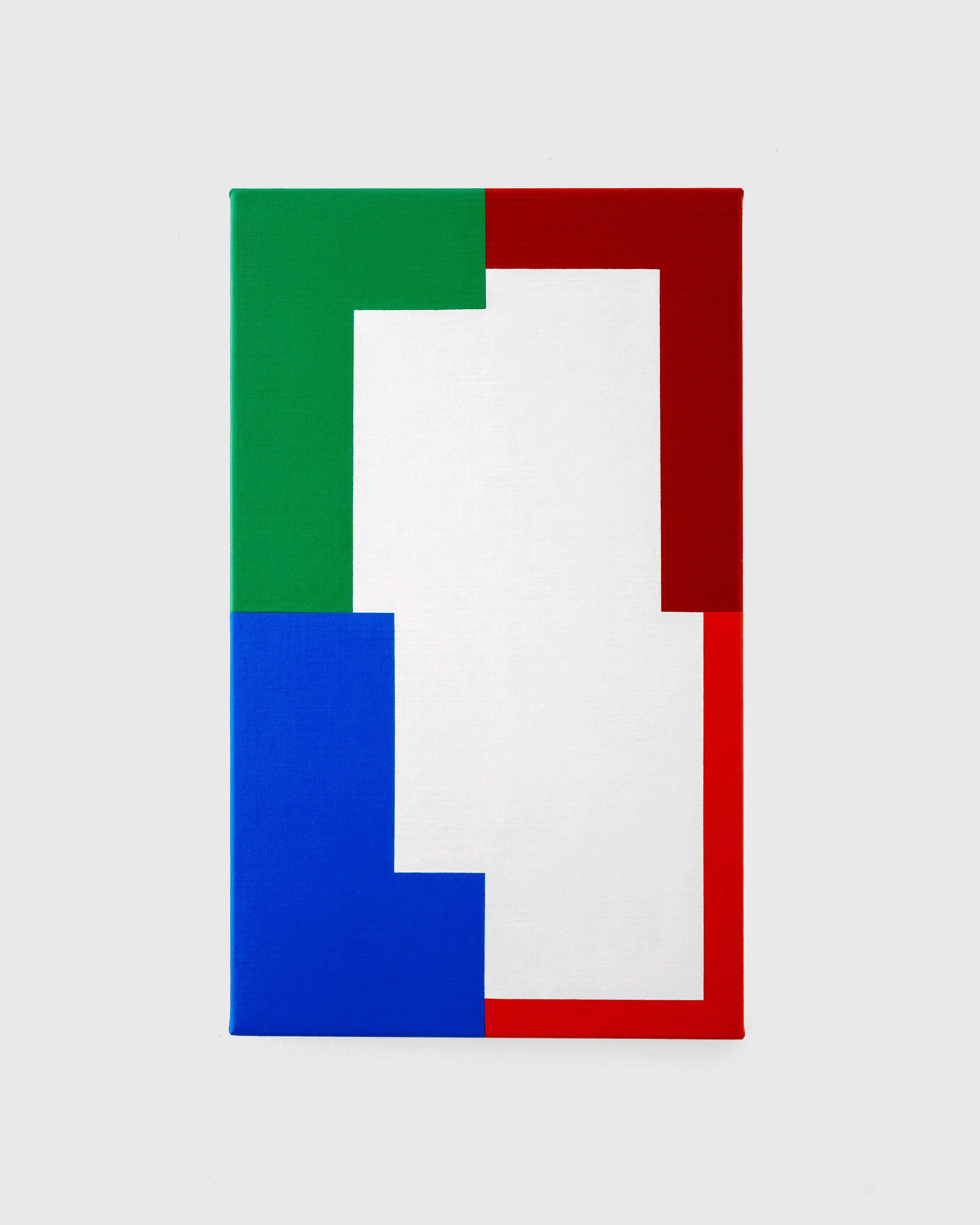
Starting the weekend of November 1st, the gallery will take part in PAN Amsterdam for the second consecutive year. It promises to be a dynamic presentation: you’ll see new developments in the work of represented artists, discover new names at m.simons, and encounter key pieces by major figures.
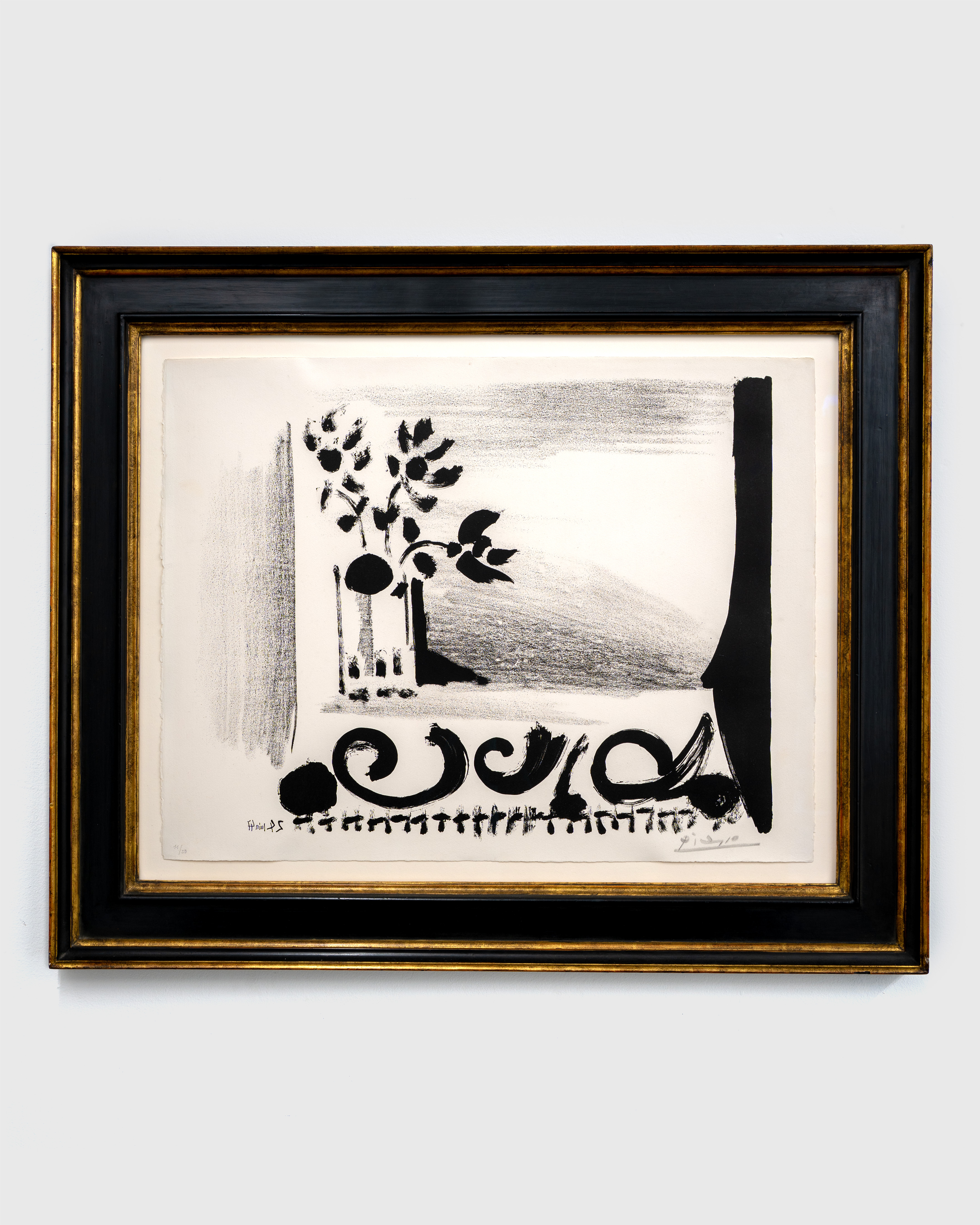
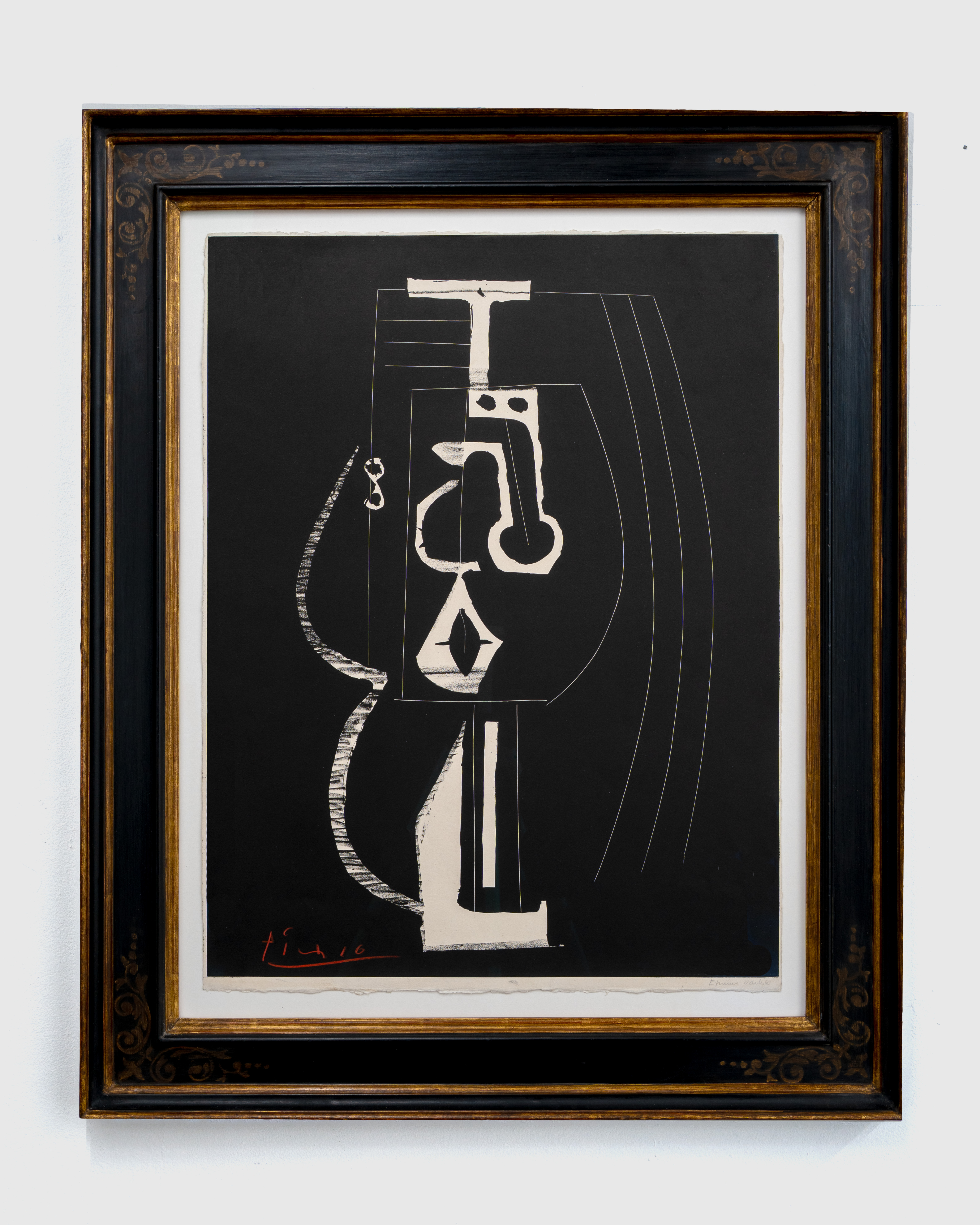
First of all, works by Picasso and René Daniëls. From Daniëls, we present a small painting measuring 40 x 40 cm from his famed Muse Vénale series, along with two early watercolours. From Picasso, we show graphic works — lithographs from the late 1940s and an etching from 1966. Both periods are considered highlights within his printed oeuvre. In the late 1940s, at the renowned Mourlot studio in Paris, Picasso had his own corner where he could push the boundaries of lithography. In the 1960s, he worked closely with the Crommelynck brothers.
Since this month, m.simons represents Michael Tedja. Born in 1971, the artist and writer was nominated for the Prix de Rome in 2023 and has held solo exhibitions at the Cobra Museum, Museum de Fundatie in Zwolle, and the Centraal Museum in Utrecht. We are showing a recent work on paper by him.
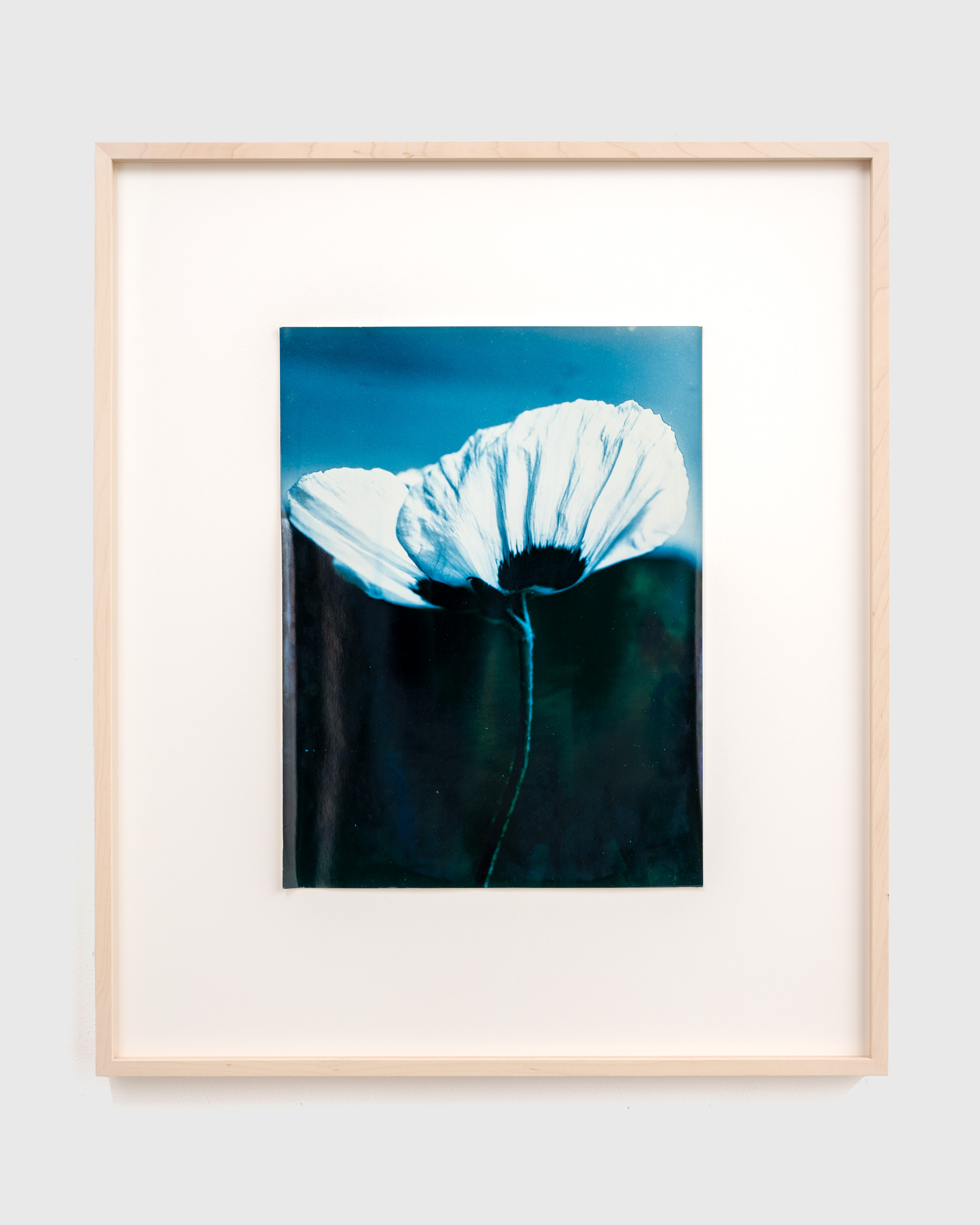
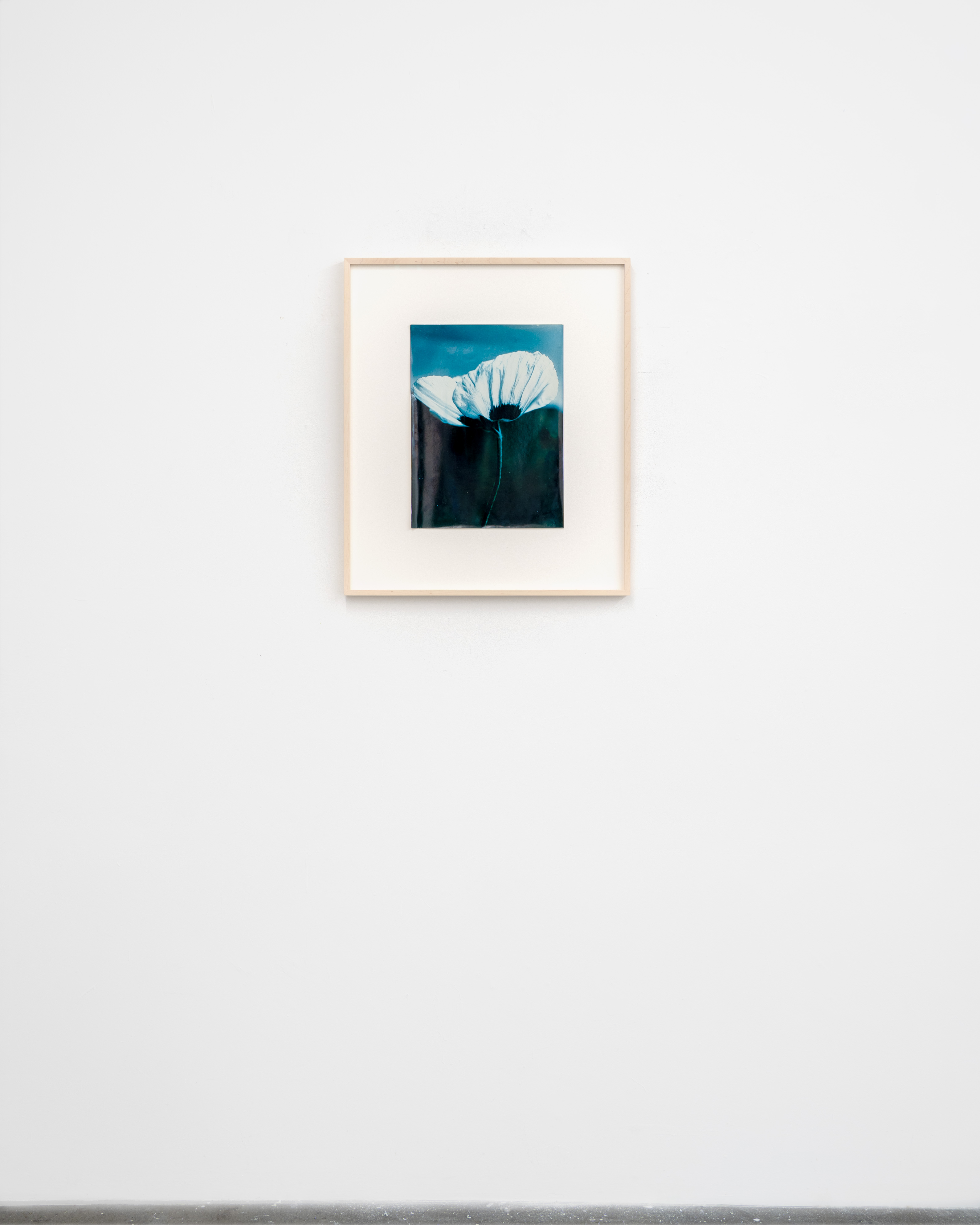
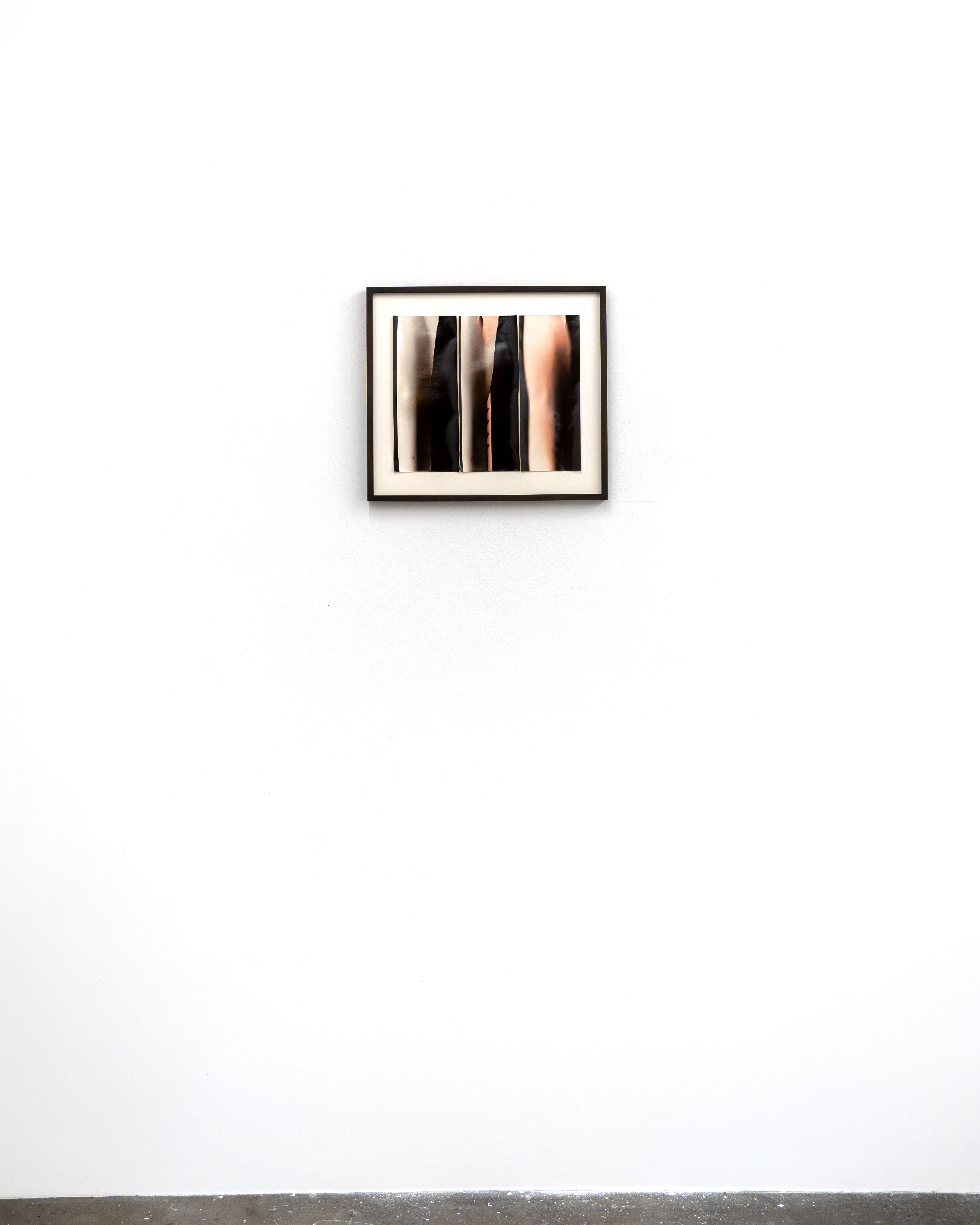
Also debuting with the gallery is BarBara Hanlo. From this photographer and filmmaker, we are presenting photographic works from the 1980s and 1990s. Her painterly photographs on baryta paper are fundamental explorations of how photographic imagery comes into being.
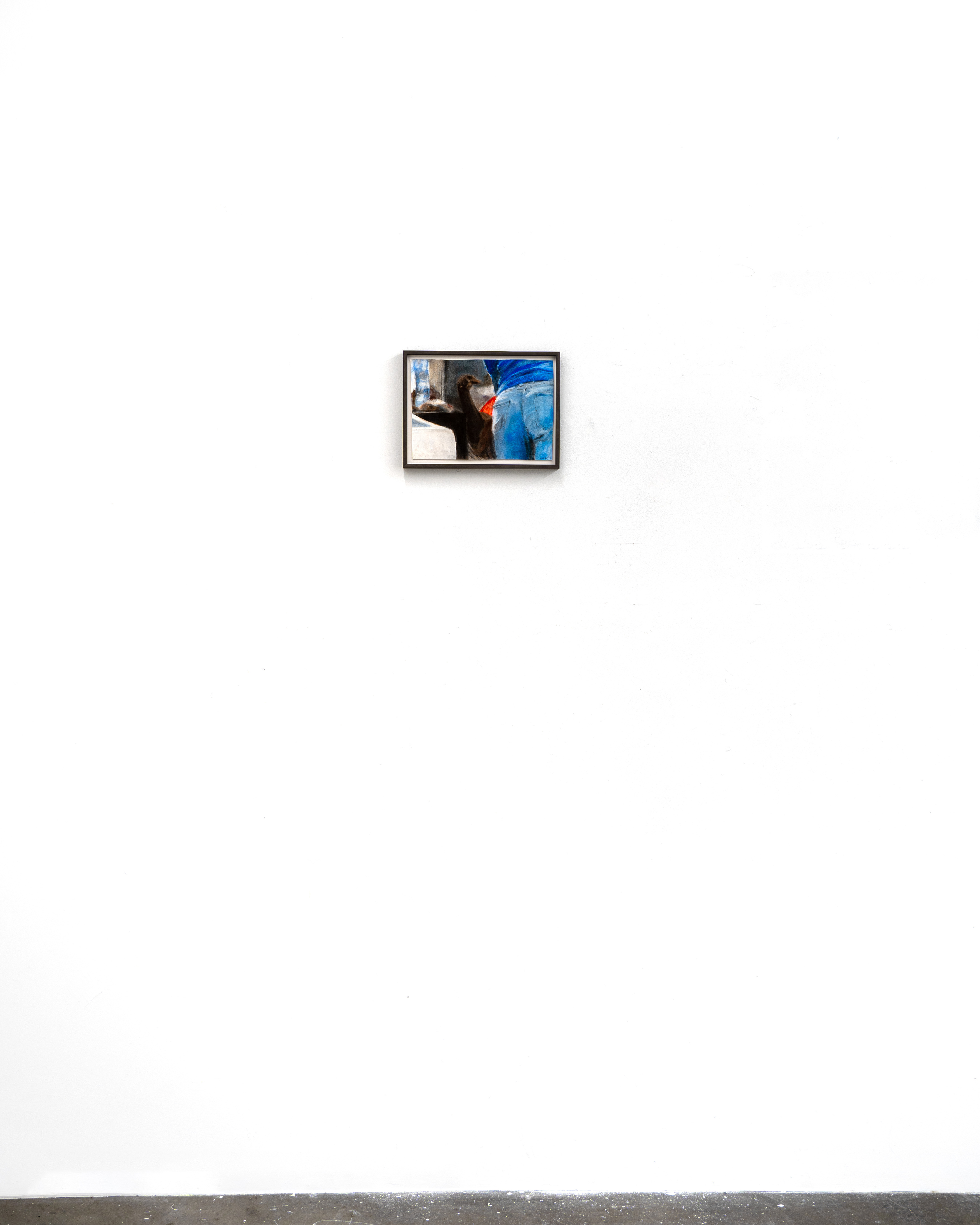
From the gallery’s established roster, we present a selection of painters and draughtsmen.
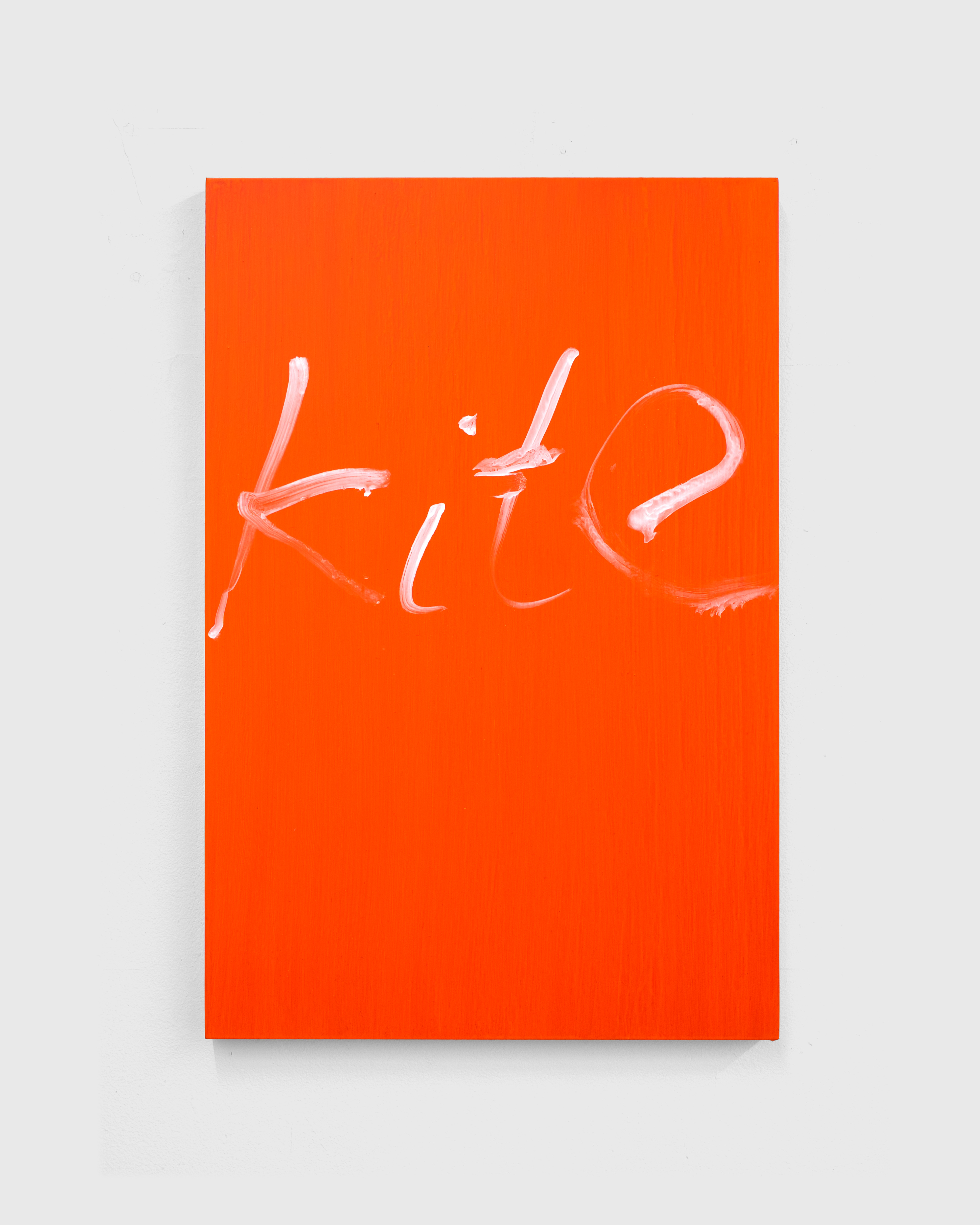
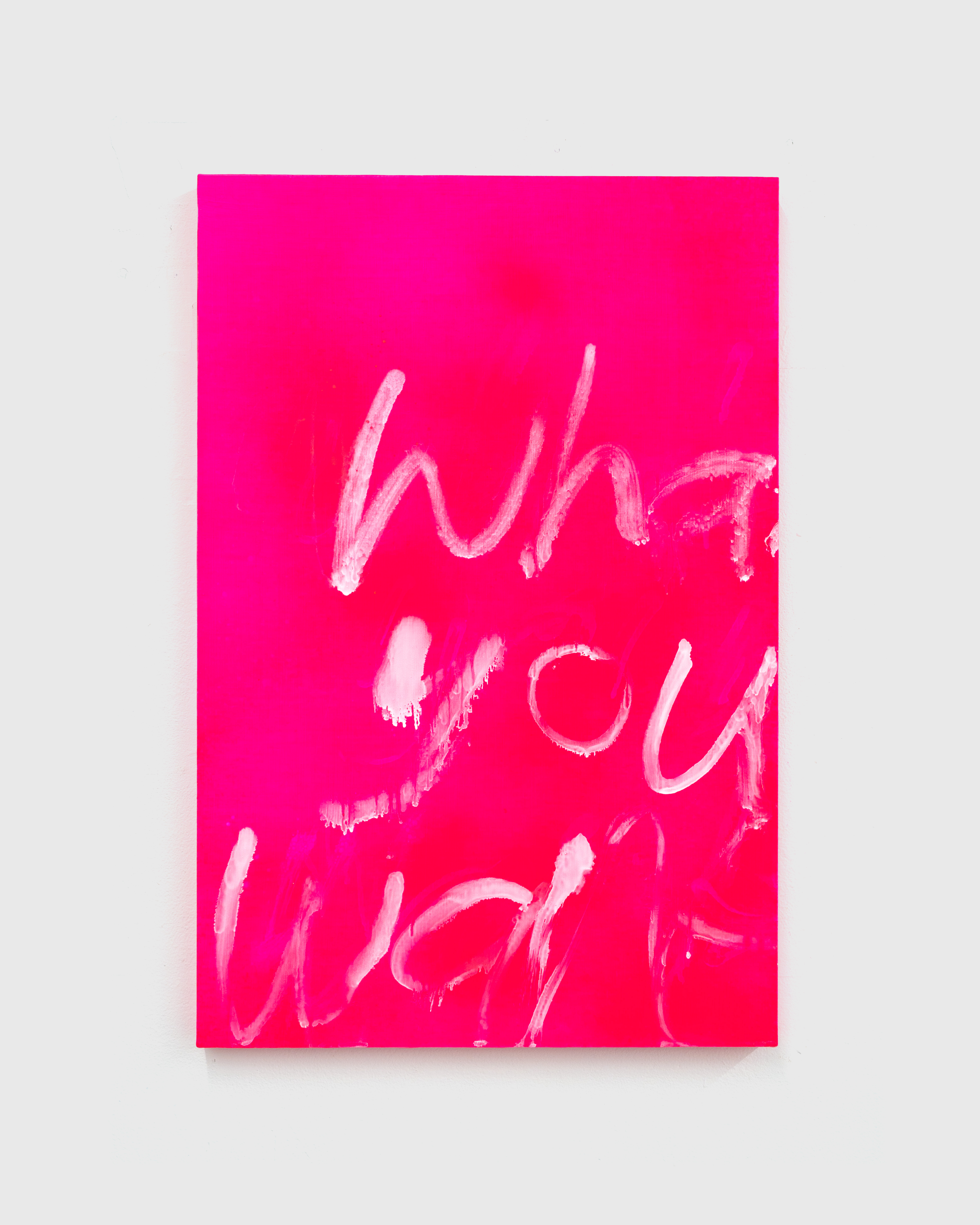
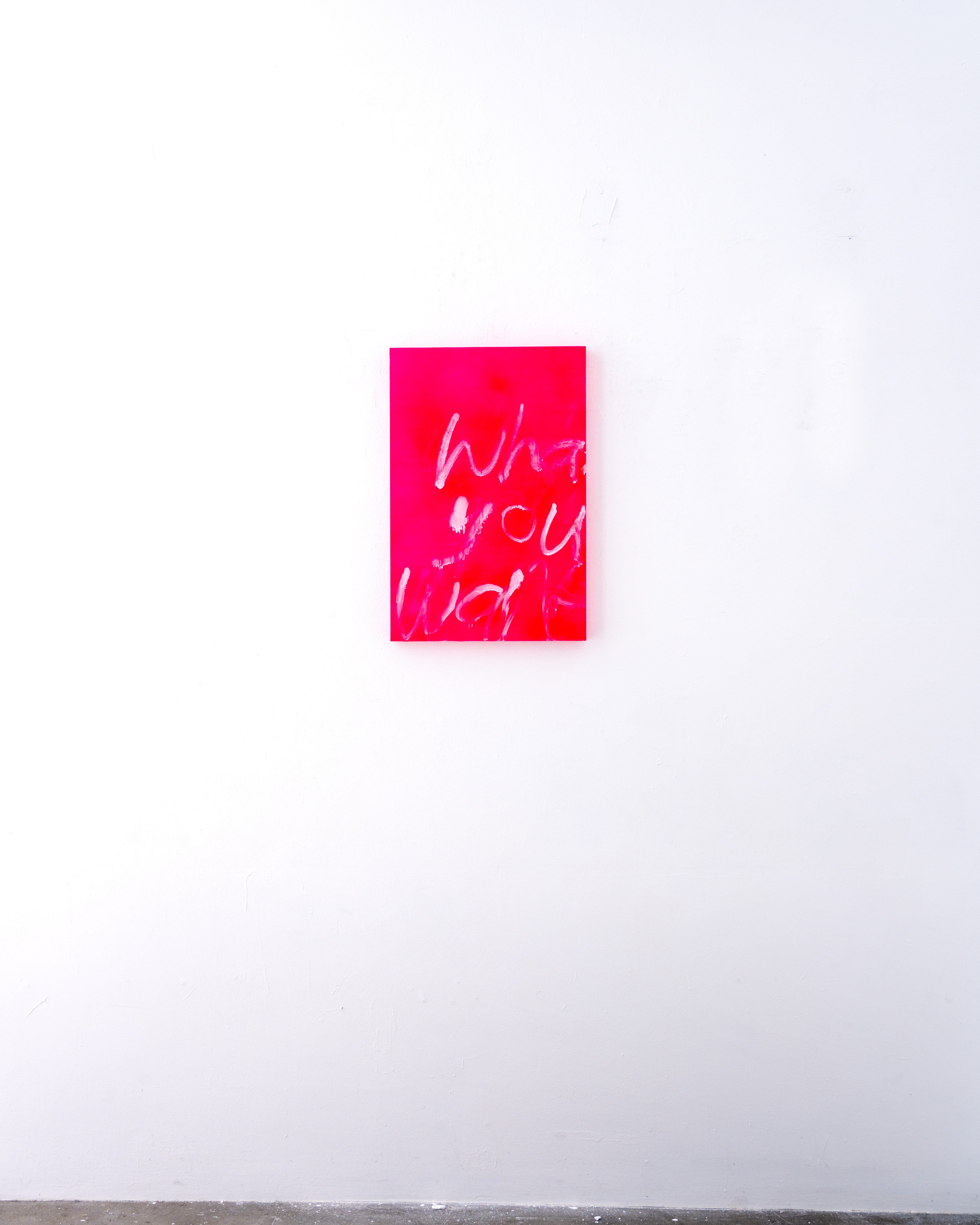
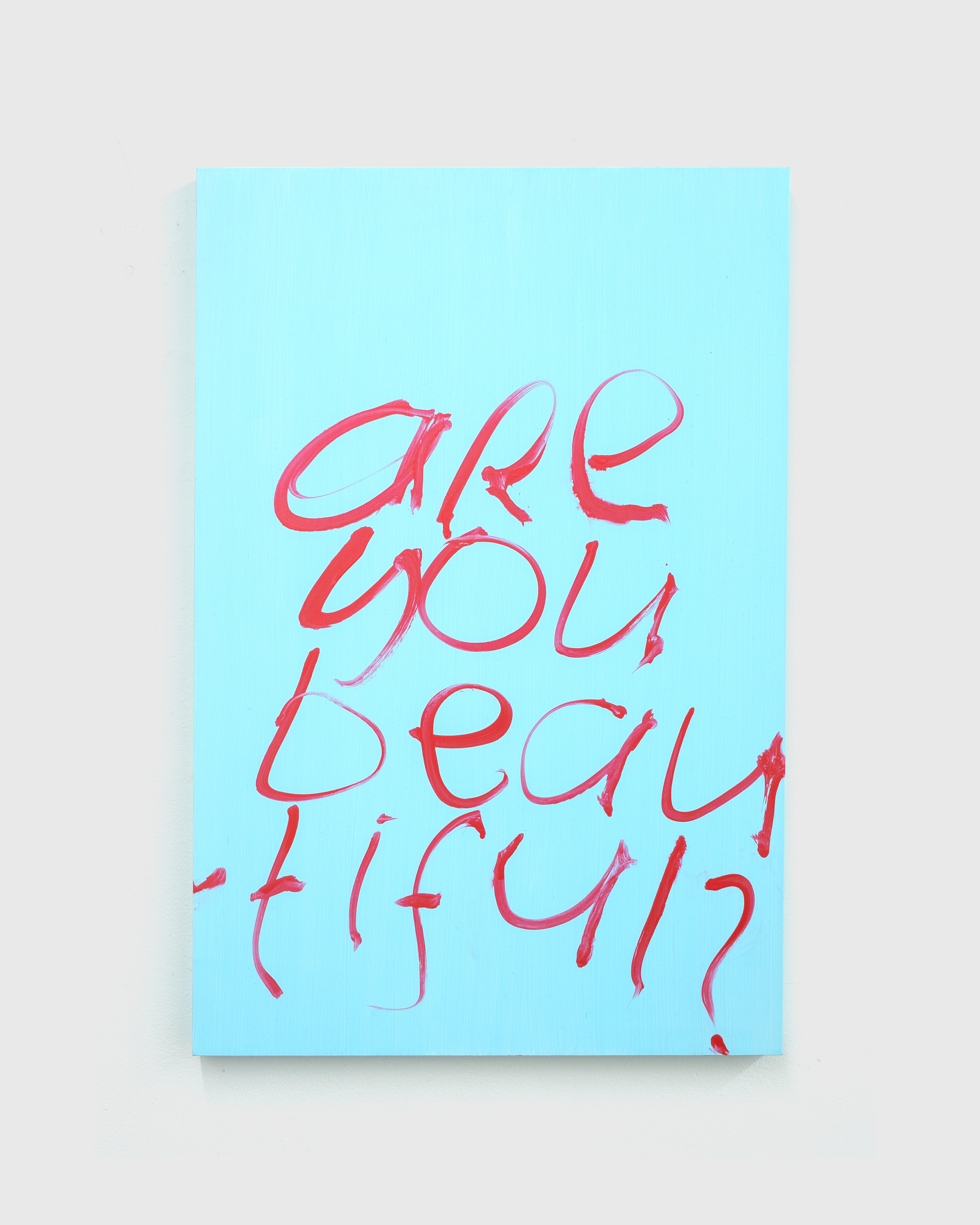
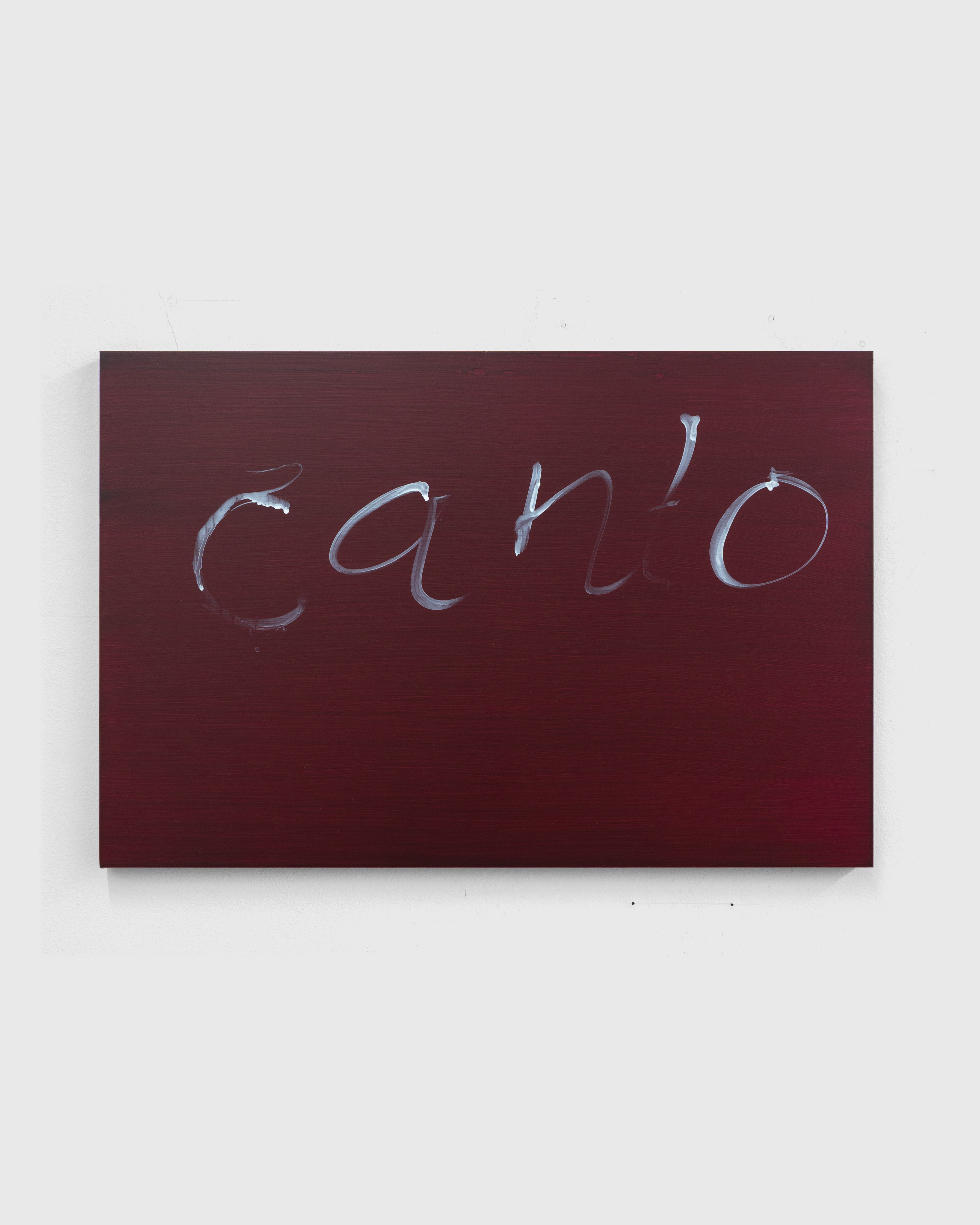
Tim Ayres has taken a new direction this year, creating work with a freer hand. Colour and language are no longer his primary visual tools; instead, he now focuses on letterform, placement, and handwriting.
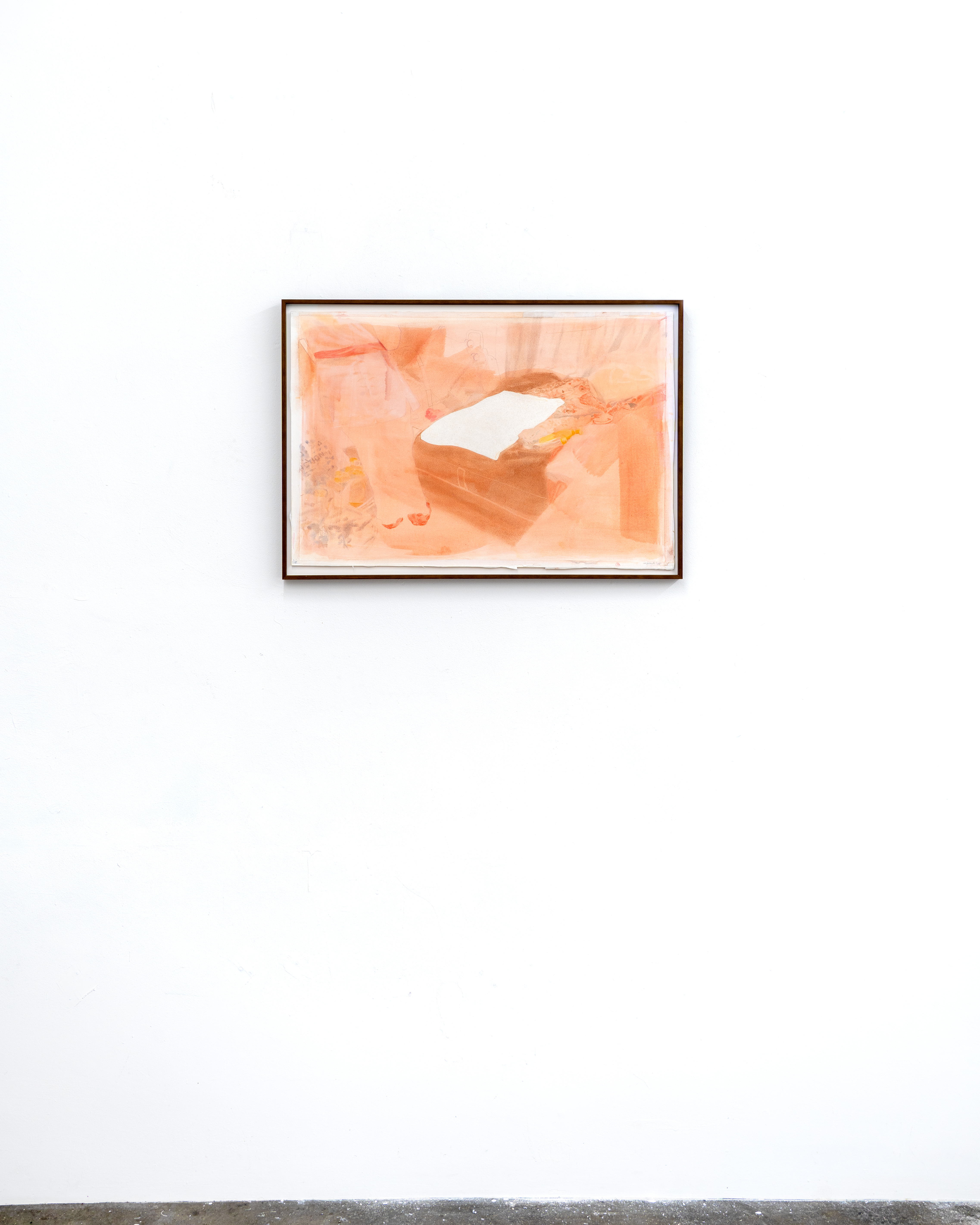
Marieke Zwart will publish a book in the coming months on the work she made about healthcare workers. In connection with that, we are showing works on paper from that period — watercolours and collages capturing everyday moments in Dutch healthcare.
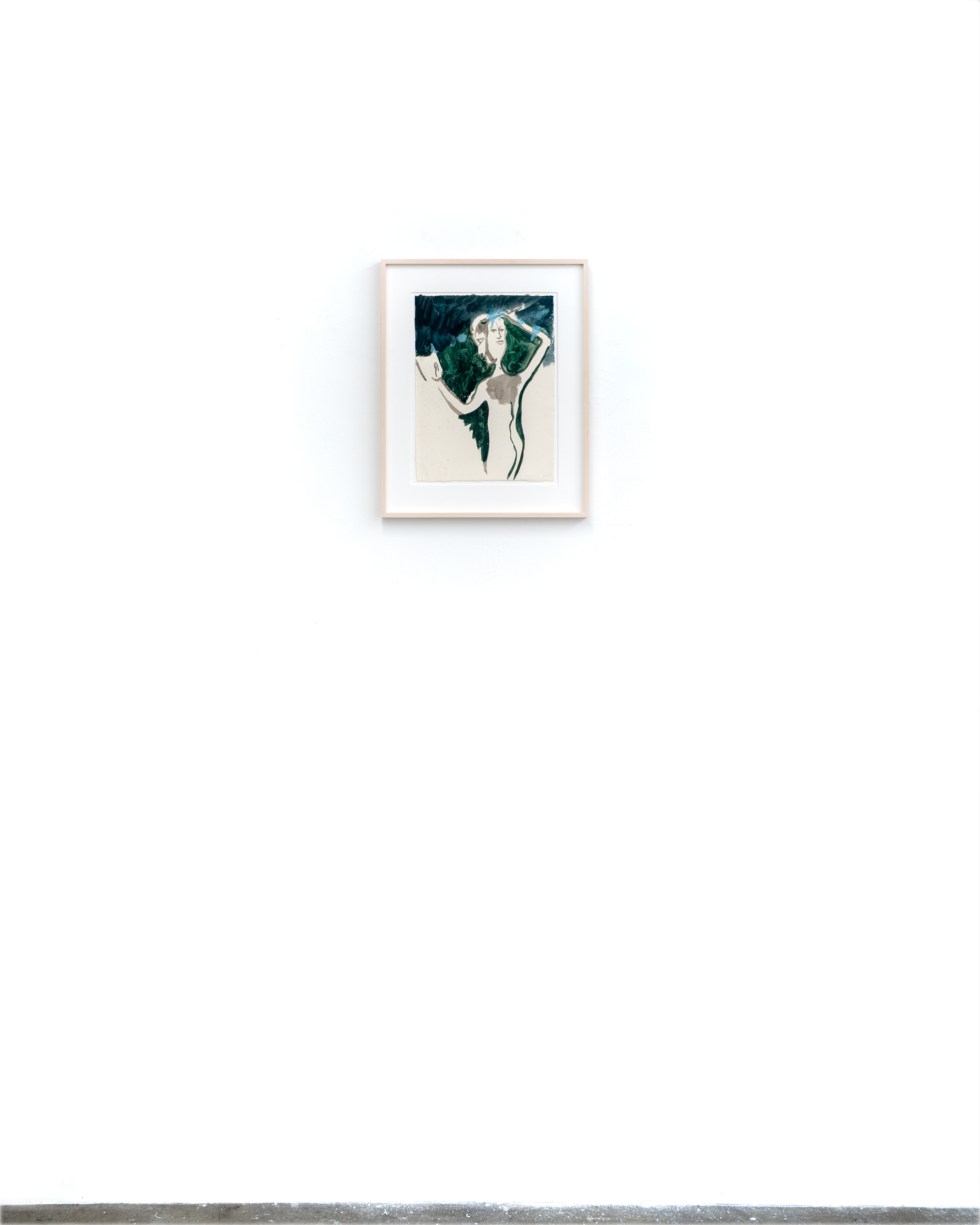
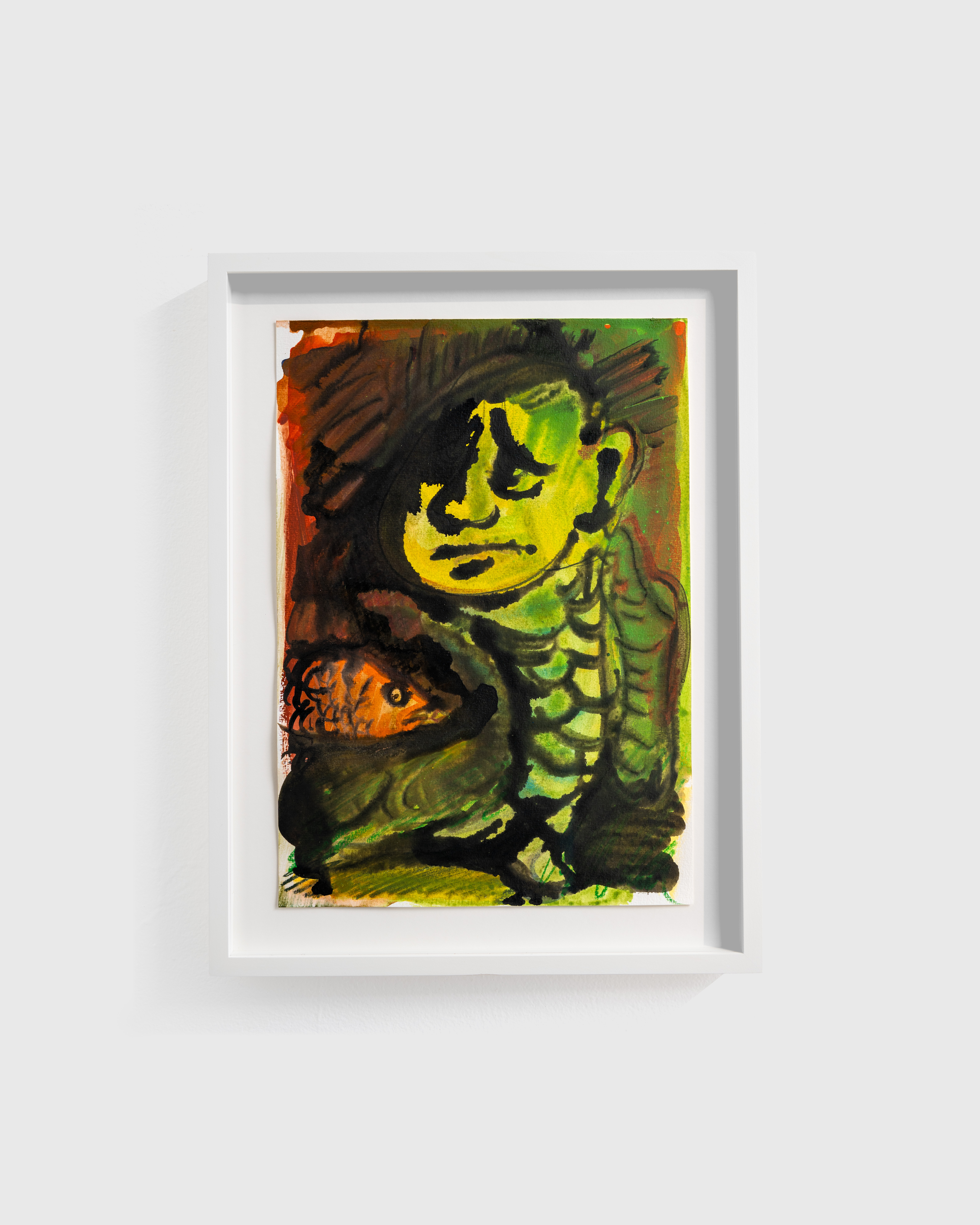
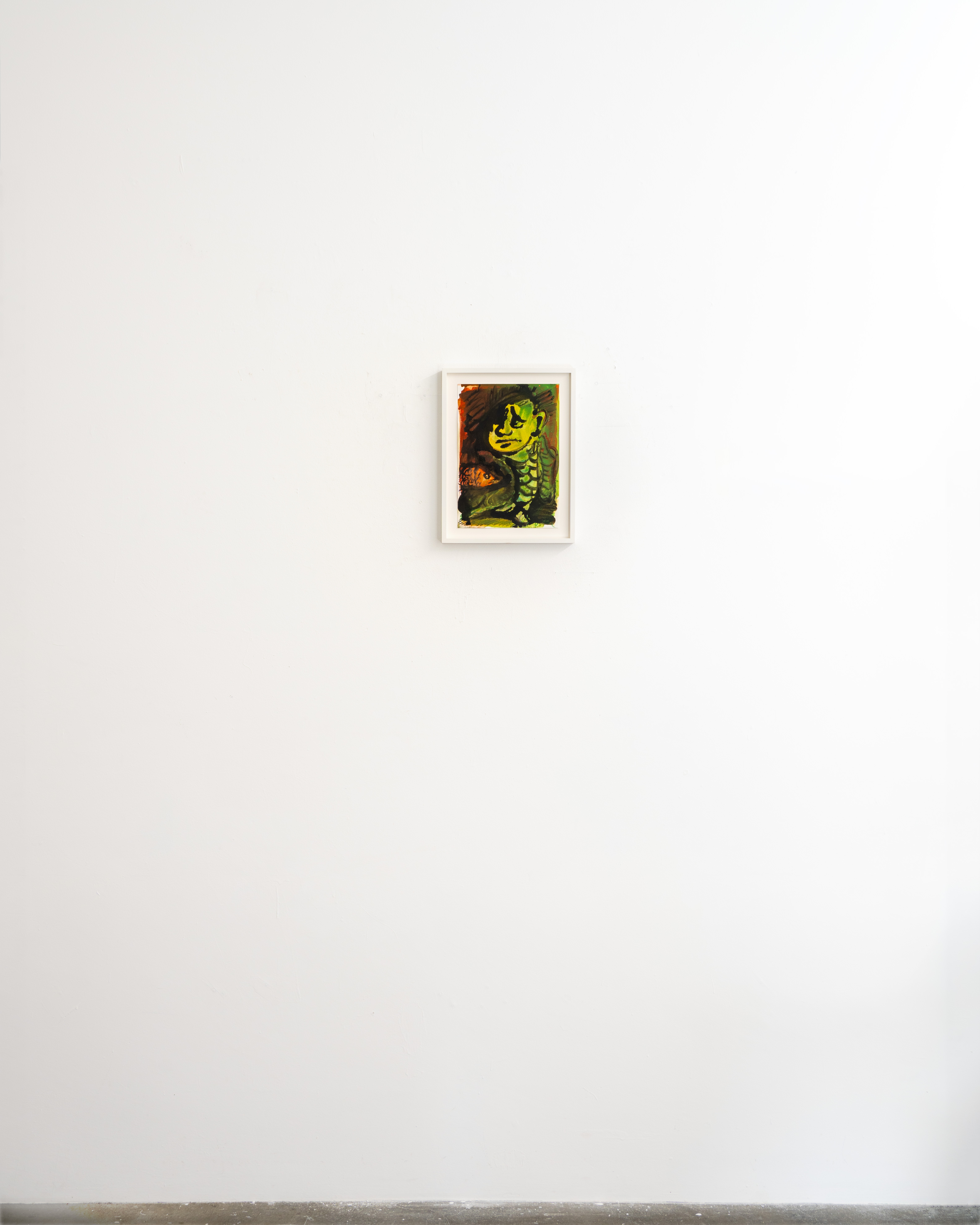
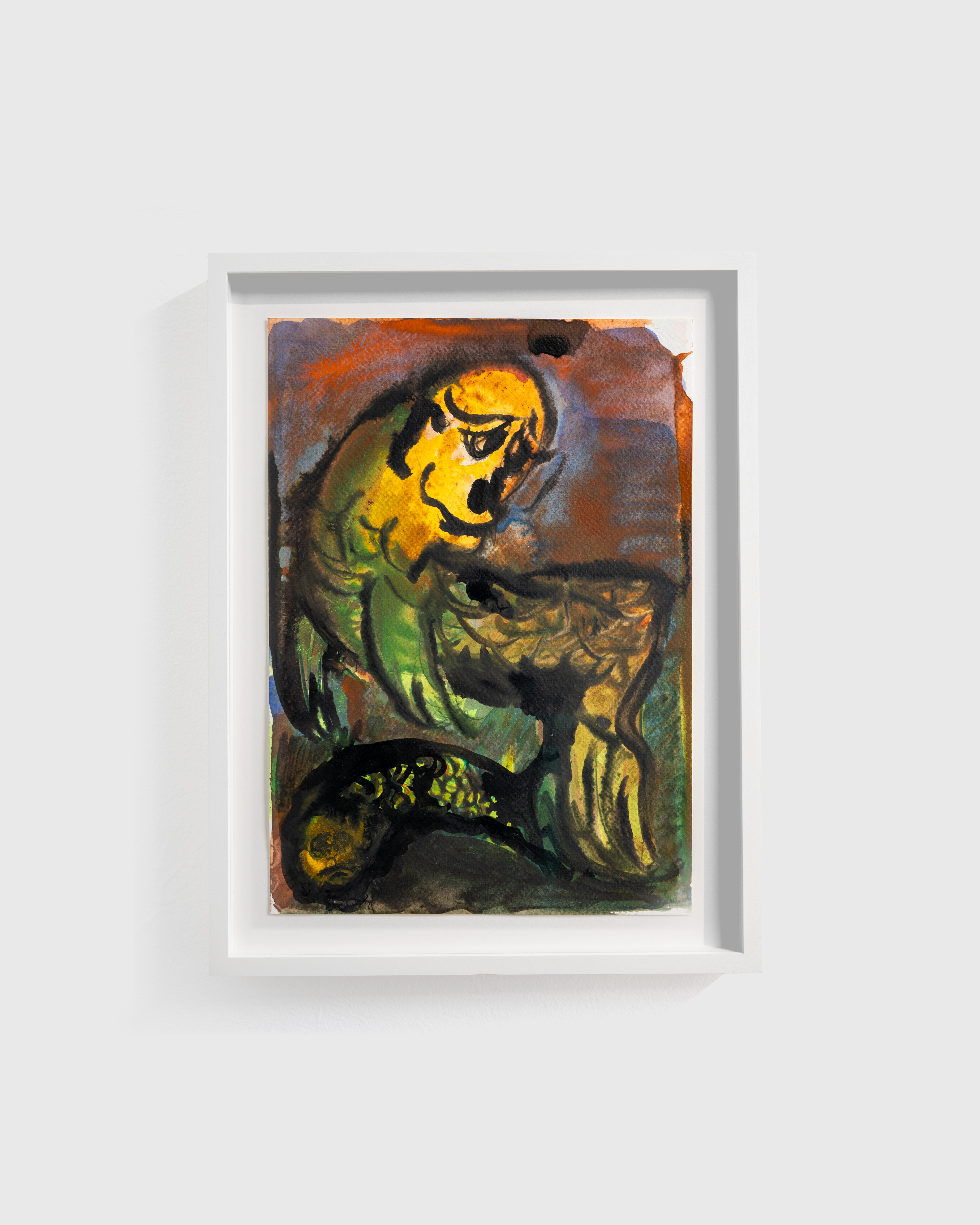
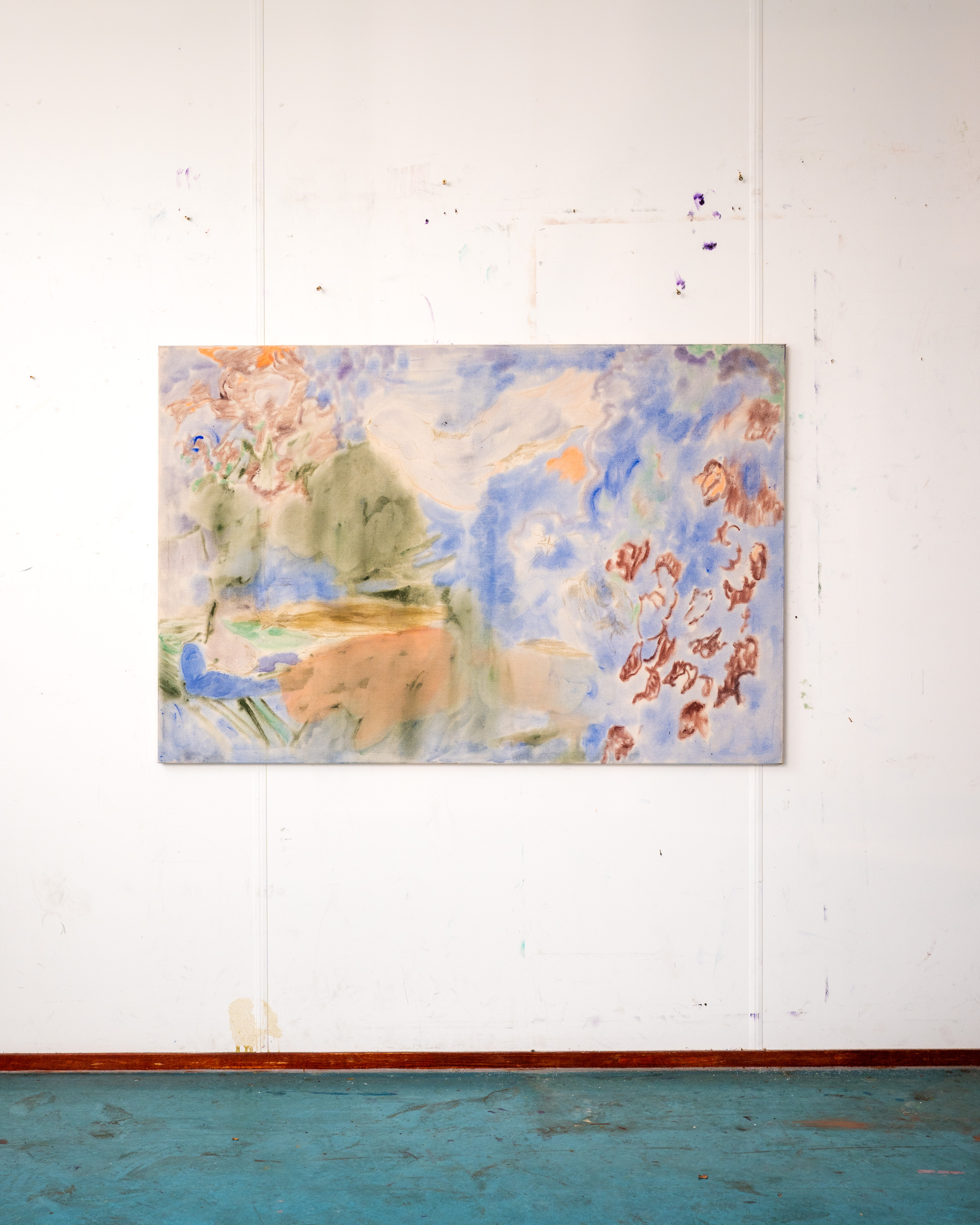
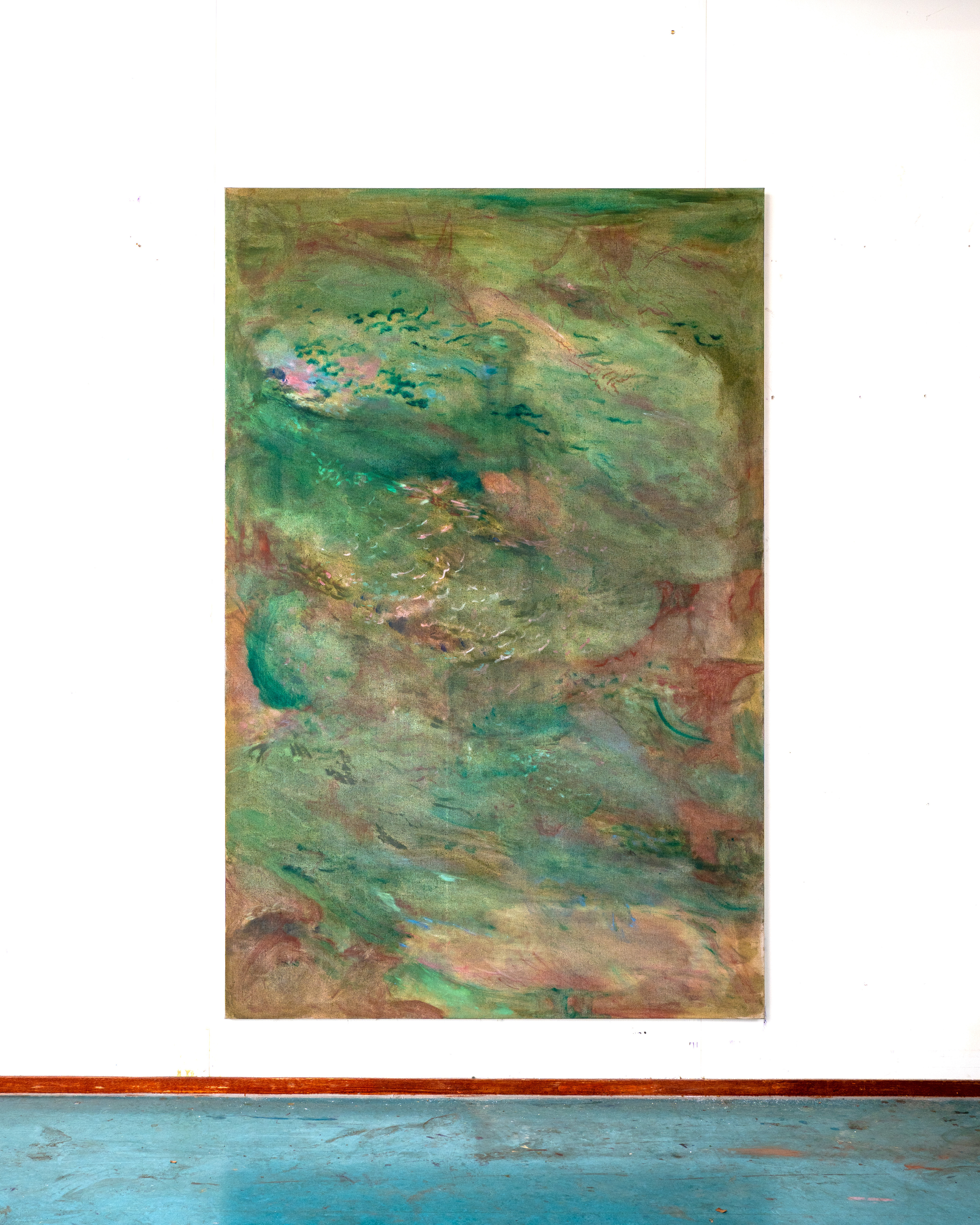
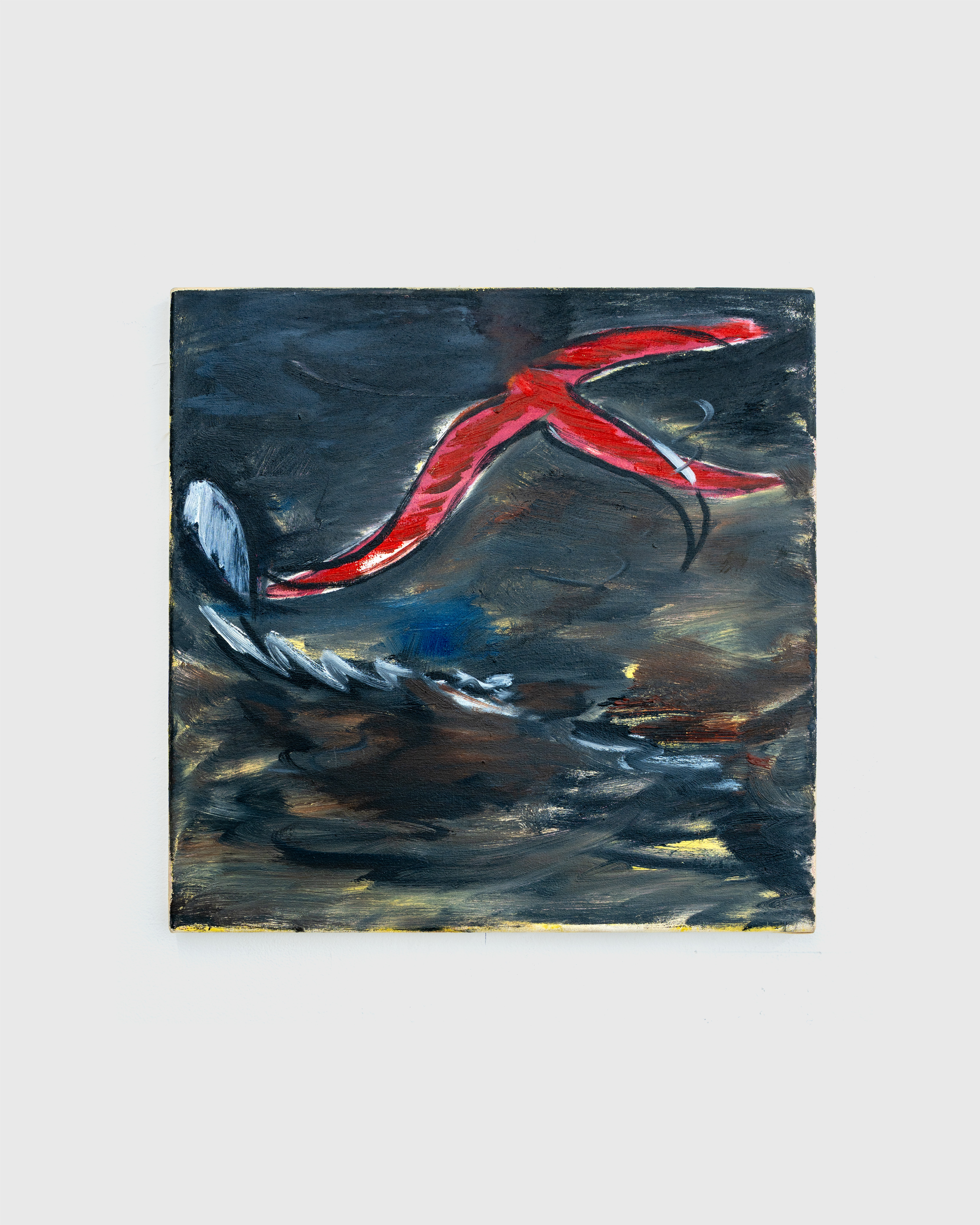
From Joost Krijnen, we present new work. In recent years, watercolour has played an increasingly central role in Krijnen’s practice, and that continues here: he painted a forest landscape and two underwater scenes. The personification of figures remains key — not only the fish, but even the trees in Tränen in der Nacht are imbued with distinct personalities.
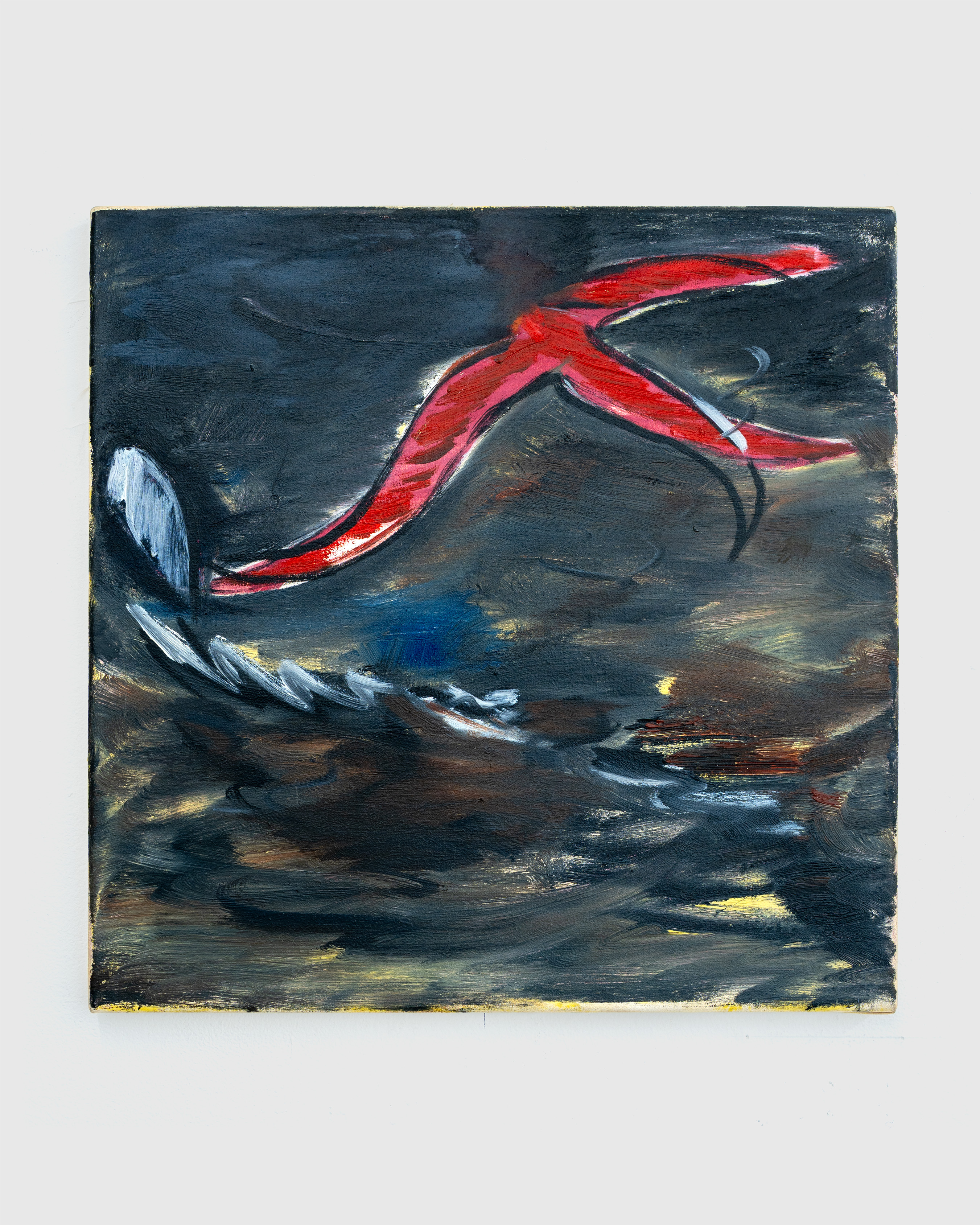
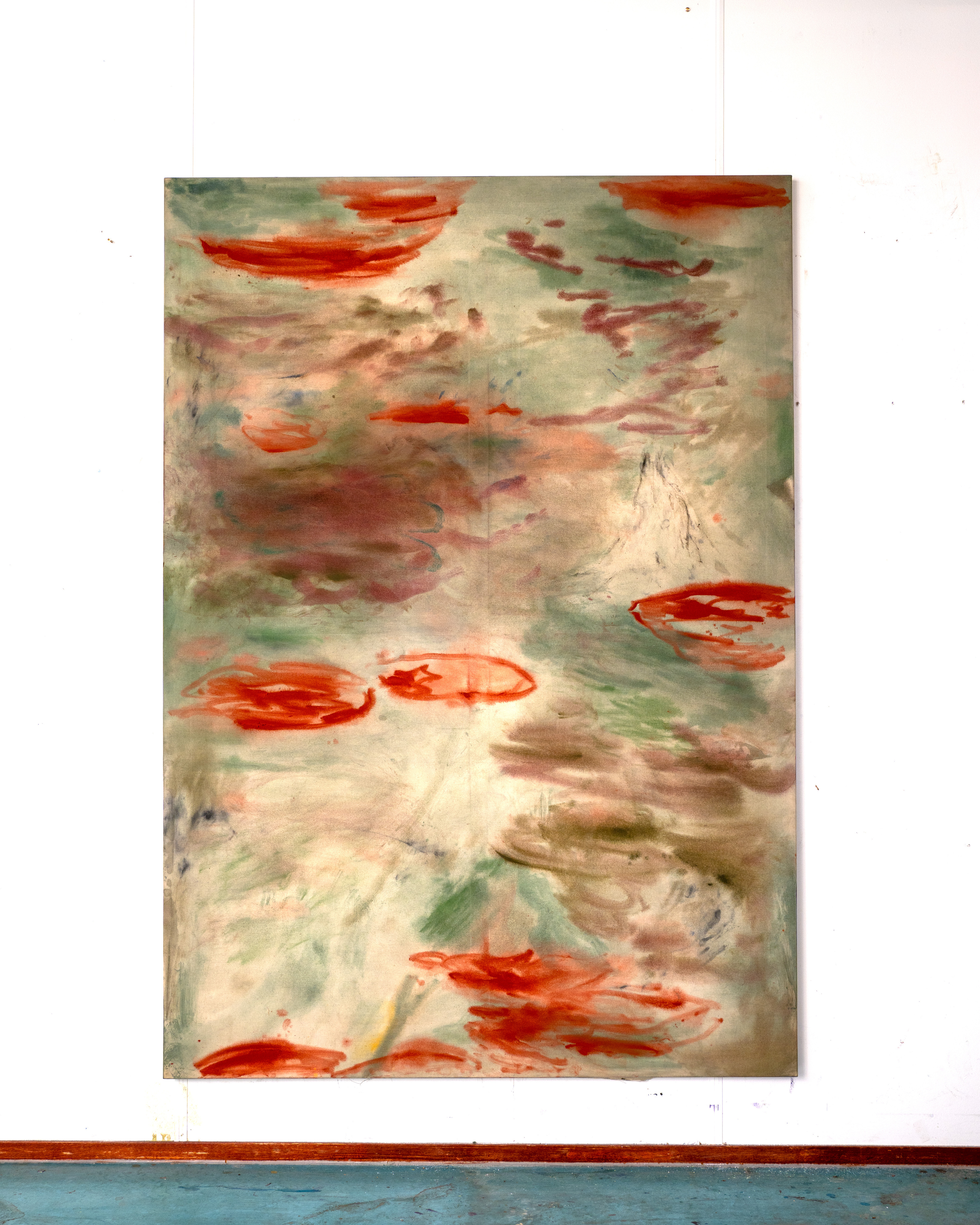
The Norwegian artist Kristoffer Zeiner already showed during NAP+ how his work has become increasingly soft and subtle. He continues this development in a new series of paintings, applying colour in very thin layers, giving the surface a near-watercolour quality. By painting over these with oil, a sense of depth emerges that could be described as dreamlike.
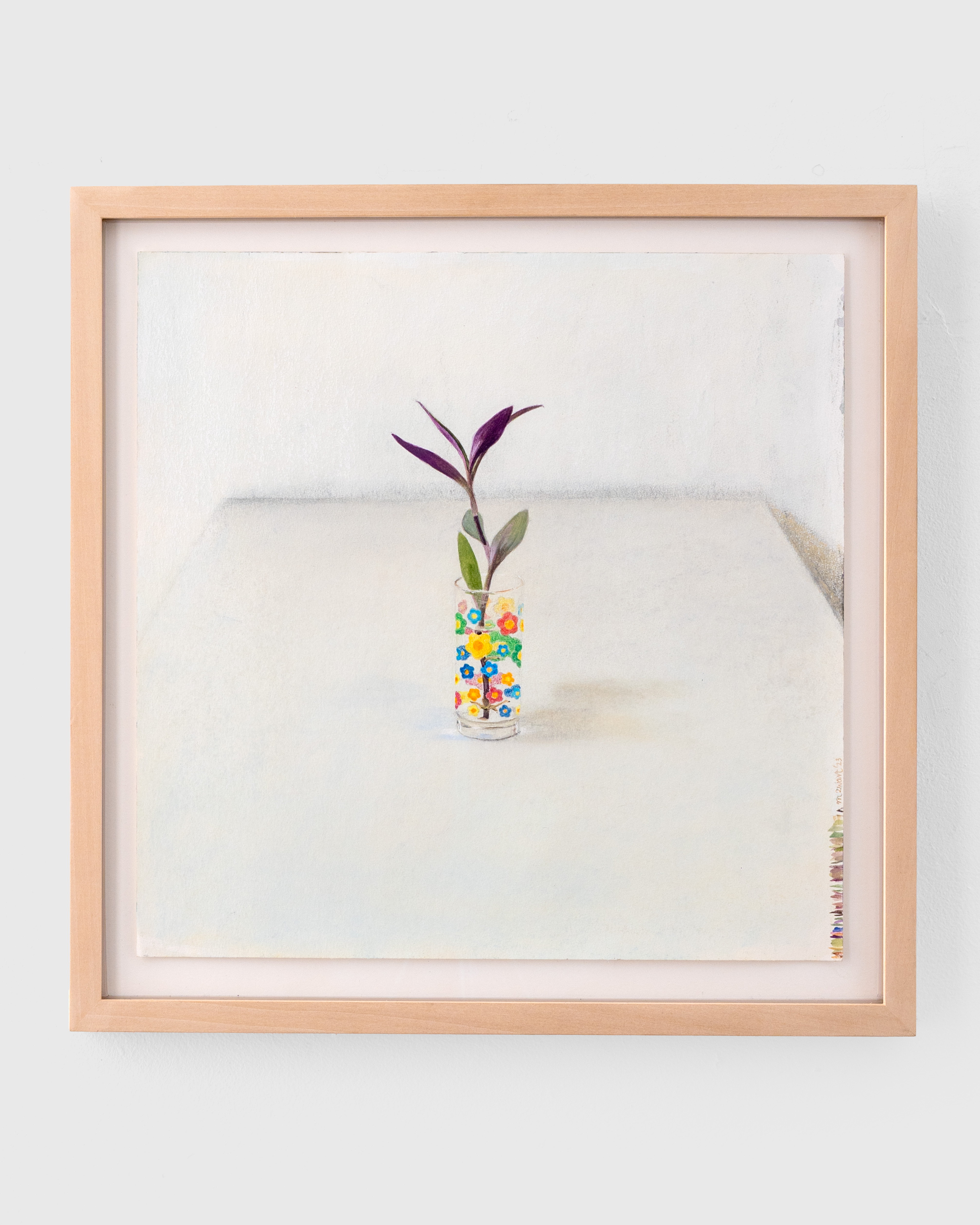
Hans Hoekstra has, over the past year, begun to receive the recognition his work deserves. Last year he won the Zoltin Peeter Prize, and many public collections have since acquired his work. The Drents Museum recently purchased a painting by him and featured another work on the cover of their catalogue Gen F – 75 Years of Figurative Art. We are showing a portrait of a houseplant by Hoekstra, previously exhibited at the LUMC earlier this year.
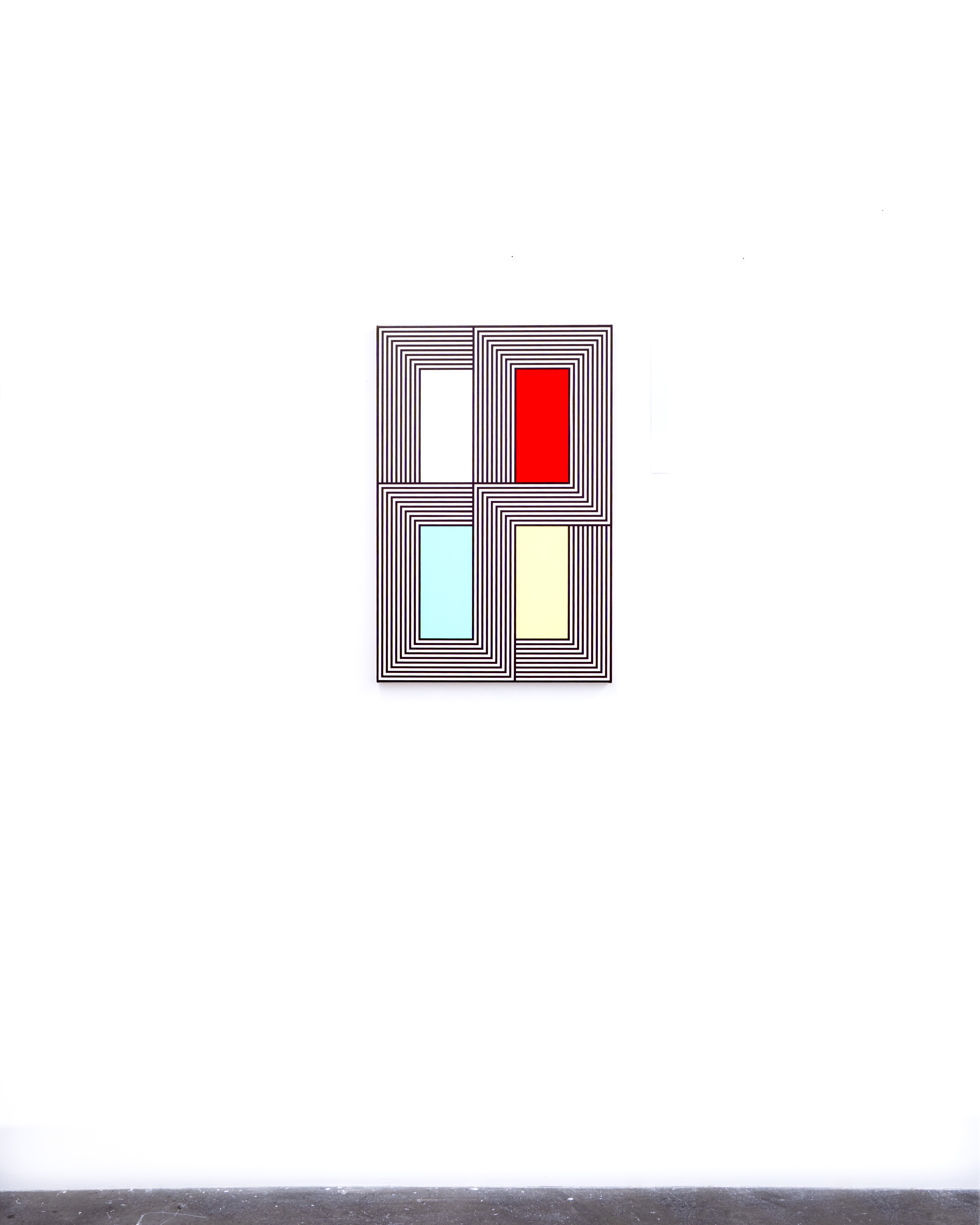
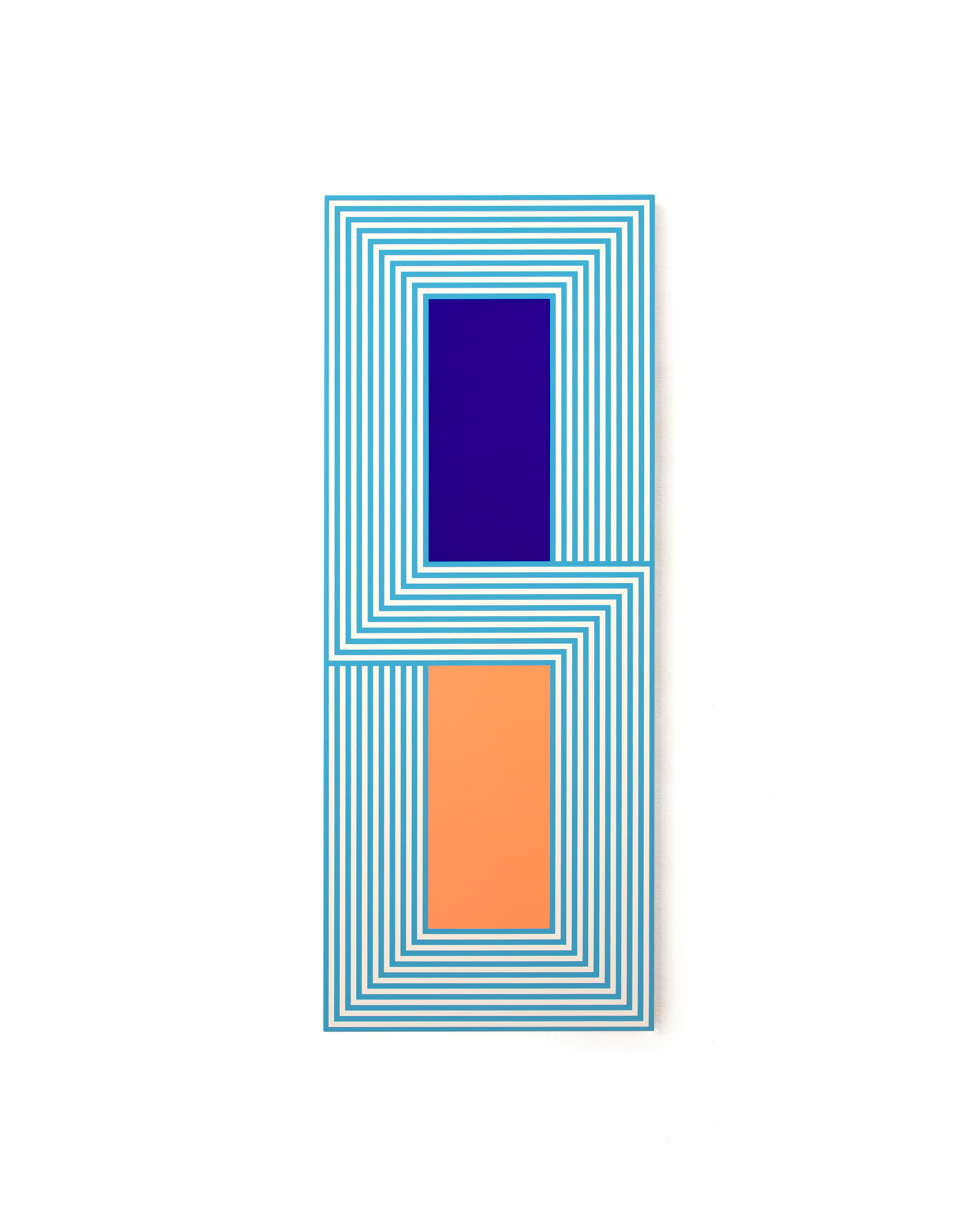
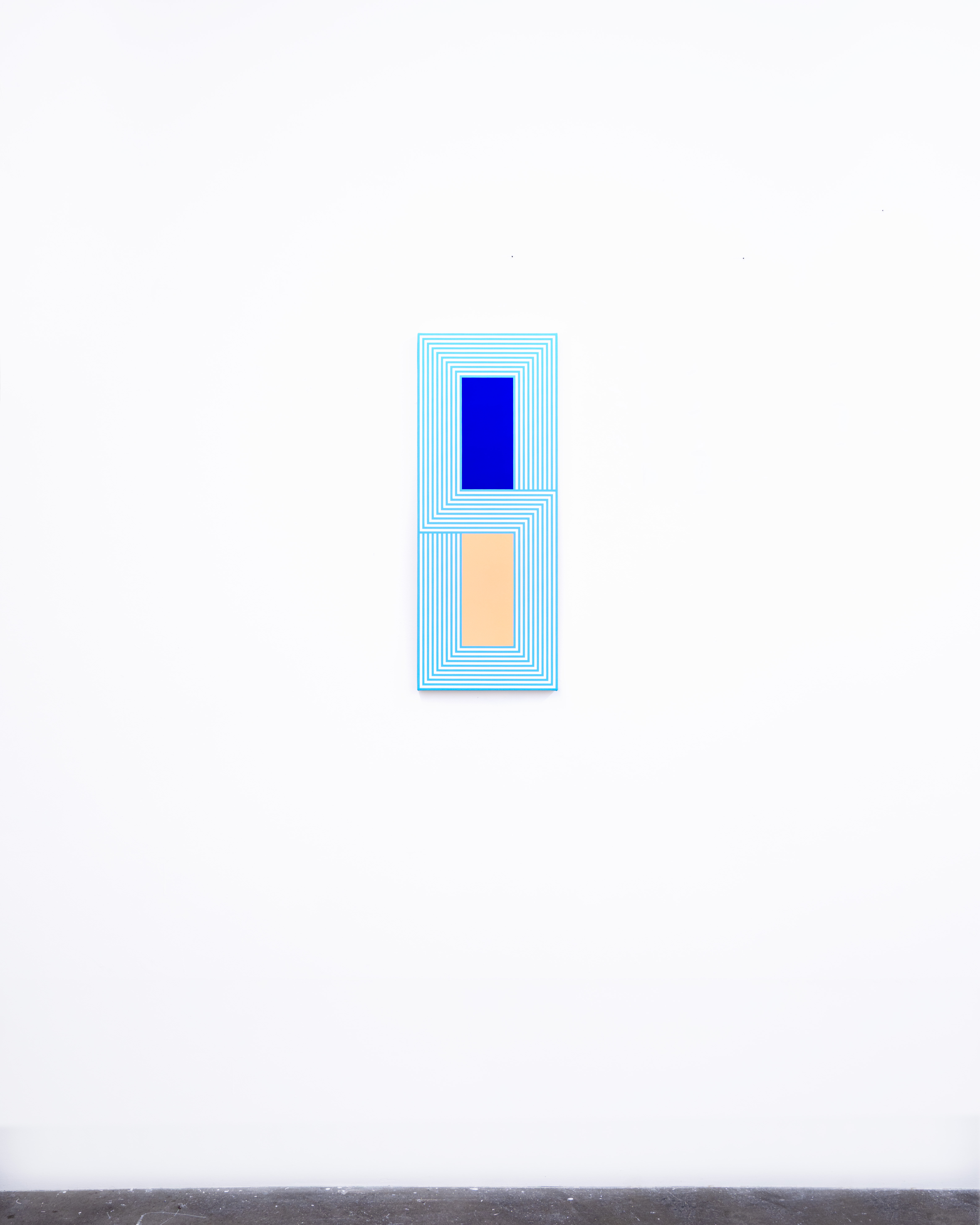
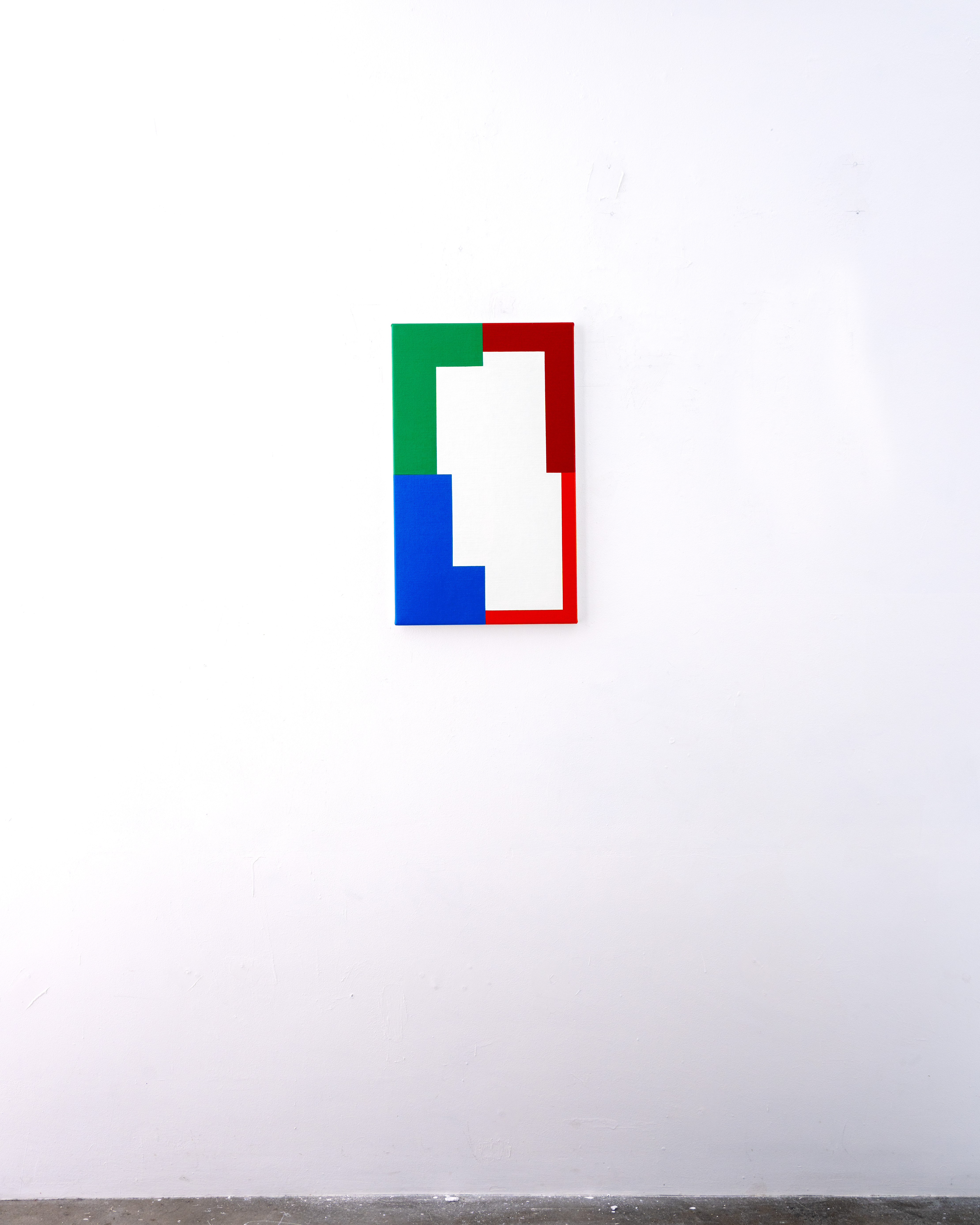
One of Ido Vunderink’s combined canvases was named a fair highlight by a PAN juror last year. In his new series, Vunderink achieves his play of shifting colour relationships on single canvases rather than in combined ones. Few artists in the Netherlands bring us closer to pure colour experience.
Visitors arriving by car will already have encountered a monumental work by Jan van der Ploeg — the artist has painted the parking garage P3 beneath the RAI. At PAN we are showing recent paintings on canvas, which will also be on view later this year at the gallery.